
Los Angeles Hard Money Lenders
LA Hard Money Loan Request
We will contact you to review the loan scenario and provide a quote.

Los Angeles Hard Money Loans, Private Money Lenders
North Coast Financial is a direct hard money lender (private money lender) providing private lending throughout Los Angeles and California. North Coast Financial is one of the most experienced hard money lenders in California with over 45 years of hard money lending experience and more than $1 billion in fast hard money loans funded.
We provide various types of Los Angeles hard money loans to real estate investors and property owners in need of fast and flexible funding options. Our competitive rates and fees and excellent customer service are why our clients continue to choose North Coast Financial for their private lending needs in Los Angeles. Read client reviews.
Los Angeles is not a market where a lender can afford to be slow or vague. A well-priced duplex in North Hollywood can draw three offers the afternoon it lists. A probate judge in the Stanley Mosk courthouse sets a date that does not move because a lender needs another week. A trust with three beneficiaries and one house in San Pedro has to close before the Prop 19 filing window shuts. These types of situations require a lender to approve and process the loan request quickly. North Coast Financial often approves complete applications the same day they arrive and funds investment property loans in as few as 5 to 7 days.
We are a direct lender. Don Hensel and Jeff Hensel review the loan scenario themselves, and the phone number on this page reaches them. If your Los Angeles deal is not one we can fund, you will hear that on the first call rather than weeks into escrow.
Contact North Coast Financial now at 760-722-2991 for a complimentary consultation and quote for your hard money loan request.

Page Contents:
Los Angeles County Loan Sizes, Loan to Value, and What Actually Gets Funded
Here is where North Coast Financial actually lends, stated plainly so you can qualify yourself before you spend a phone call:
Loan amount. Up to $3 million to $4 million. Our recent Los Angeles County fundings run from $100,000 in Lancaster to $1,925,000 in the city of Los Angeles, which is a fair picture of the range. Loans down to $30,000 for a 1st and $20,000 for a 2nd loan are available.
Loan to value. Generally 65% to 70%, and up to 55-60% CLTV for a 2nd loan. For a purchase that requires a down payment of 30% to 35%.
Lien position. Mostly first position but we do provide 2nd loans as well.
If the term is new, what is a second trust deed explains where it sits behind the first and what that means for the rate. Rates for 2nds are considerably higher.
Property type. Primarily residential: single family residences and multi-unit residential. We also fund commercial but we specialize in residential.
Term. Usually 1 to 2 years, sometimes 3. Hard money is short term financing and you need an exit strategy that makes sense. In Los Angeles this typically a sale or a refinance into conventional or DSCR financing.
Credit. We are primarily asset-based. We underwrite the property’s current value and your equity position first. Past foreclosures, short sales, bankruptcies, loan modifications and low scores can often be worked around when the equity and the exit are sound.
Rate and points. Fixed rates from 9.95% for first position (excluding consumer loans). Points from 1.5-1.95, with no junk fees and no surprise fees. Second position pricing starts higher. Actual terms depend on the property, the loan to value and the scenario, so call 760-722-2991 for a quote on your specific deal rather than working from a range.
The five questions we ask on every Los Angeles inquiry are the same five that determine whether a deal is fundable: what loan amount do you need, what is the property worth, what is already recorded against it, where is it, and how does the loan get paid off. If you have answers to those, one phone call is usually enough to know whether we can help.
Hard Money Loans for Los Angeles Real Estate
North Coast Financial provide various types of Los Angeles hard money loans (private money loans) including bridge loans, rehab and fix and flip loans, probate, estate and trust loans, investment property loans, distressed property loans, cash out and refinance loans, purchase loans, reverse mortgage refinance loans, hard money loans for primary residences, REO loans and other hard money loans secured by real estate. Los Angeles property owners and investors work directly with the decision makers at North Coast Financial, California hard money lenders with 45 years of experience and over $1 billion funded since 1981.
The mix in Los Angeles skews differently than it does elsewhere in the state. Trust and probate lending is a much larger share of what we fund in LA County than in most California markets. The county has a large inventory of houses bought before 1978 and held for decades by owners who have since passed. Proposition 19 (and previously Proposition 58) gives a beneficiary an opportunity to maintain the property’s current property taxes. Trust and probate loans allow a beneficiary to buy out siblings rather than sell. A house with a $1,400 annual tax bill under a 1970s assessment becomes a house with a $12,000 annual tax bill the moment the transfer is handled the wrong way. That gap is what a trust loan protects.
Fix and flip is the second concentration, and it behaves differently in LA than in other California metros because of permitting, which is covered in its own section below.
Hard Money Loans for Residential & Commercial Property
North Coast Financial are primarily residential hard money lenders (single family residences, multi-family residences) but are also able to provide commercial hard money loans on a case by case basis (commercial, industrial, office buildings, healthcare, hotels, retail and special purpose).
In Los Angeles County the residential side covers a wider range of building types than the phrase suggests. Single family in LA includes hillside homes on caisson foundations in the Santa Monica Mountains, 1920s Spanish bungalows in Highland Park and West Adams, post-war tract housing across the San Fernando Valley and the Antelope Valley, and beachfront and near-beachfront property in the South Bay. Multi-unit runs from the duplex and fourplex stock that fills Koreatown, East Hollywood and Long Beach up through larger apartment buildings. Condominiums are eligible, including the downtown and Westside high-rise inventory, though a condo with an unusual HOA situation or heavy investor concentration gets a closer look.
The property types that give are the most difficult to lend on in Los Angeles include building with unpermitted additions with no comparable sales, housing cooperatives and property in the Coastal Zone where a development right cannot be assumed. surprised later.
Residential Bridge Loans in Los Angeles
North Coast Financial are experienced bridge loan lenders providing bridge loans in Los Angeles and throughout the state of California. Bridge loans allow homeowners to borrow against their current primary residence to purchase a new home. The main benefits of bridge loans are being able to purchase a new property before selling an existing property (not having to move twice), not having to qualify based on a debt to income ratio, and overall fast and flexible funding.
Short-term bridge loans are typically secured against the existing property which provides the needed funds to purchase a new property. Once the borrower purchases the new property, the previous property is sold which pays off the bridge loan. A residential bridge loan can also be secured against the new property if the borrower has a sufficient down payment. A double bridge loan (loan against current property and new property) can be used by a borrower if needed.
Bridge loans are also available for real estate investors who need to take out a loan against an existing property to purchase new real estate.
Two things make bridge lending in Los Angeles different from bridge lending in the rest of California.
The first is the size of the equity involved. An LA County homeowner who bought twenty years ago is frequently sitting on $1 million or more of equity in a house they still owe very little on. That produces bridge loans at very low loan to value, which is the safest kind of loan we write. We funded a $1,925,000 bridge loan against a Los Angeles single family residence at roughly 32% loan to value for a borrower who was leaving California and needed to pull equity to close escrow on an out of state purchase before the deadline. A conventional lender could not have moved in that window.
The second is Measure ULA, which has quietly turned “sell the LA house first” into a much more expensive plan for anyone above the threshold. That is covered in its own section below, and it is a common reason a Los Angeles owner now chooses to borrow against a property rather than sell it.
Contact North Coast Financial now to inquire about a bridge loan or visit our Bridge Loans page for additional information on our bridge loan programs.
Trust Loans, Probate Loans & Estate Loans in Los Angeles County
Trust, Probate and Estate loans are available for heirs and beneficiaries in need of short-term financing against real estate assets within an estate or trust. These loans are also known as Prop 58 loans or Prop 19 loans and allow beneficiaries to prevent a property tax reassessment when the real estate transfers from the trust or estate to the beneficiary (parent to child transfer). The trust/estate must obtain a 3rd party loan to equalize the distribution and apply for Prop 19 with the county in order to prevent a property tax reassessment. The private lending provided by North Coast Financial is considered a 3rd party loan.
The borrowed funds are often used to pay off other heirs when dividing ownership or to settle debt obligations of the estate or trust. The trust or estate must contain real estate located in California in order for North Coast Financial to consider providing a loan. View our Probate & Estate Loans or our Trust Loans page for additional information.
Los Angeles County is the largest probate jurisdiction in California, and estate work here has some specific characteristics worth knowing.
The Prop 19 filing has to happen with the LA County Assessor. The exclusion is claimed by filing with the Assessor, and there are deadlines tied to the transfer date. The loan has to fund, the distribution has to be made, and the transfer has to be recorded in an order that supports the claim. This is the sequencing that estate attorneys and trustees call us about most often, and it is why the answer to “how fast can you fund” matters more here than the rate does.
The dollar amounts are large because the properties are. A Prop 13 assessment from the 1970s on a house now worth $1.6 million is a very large annual tax saving to preserve, which is why an heir will take a short-term hard money loan to preserve it. The math is straightforward and it usually favors keeping the property. Think of a trust loan as an investment.
Formal probate versus a trust changes the process. Property held in a living or irrevocable trust can generally be borrowed against without court involvement. Property in formal probate may require a court confirmation depending on the authority the personal representative holds under the Independent Administration of Estates Act. The process is much easier when the probate administrator has full authority as opposed to limited authority. It is typically worth going back to the probate court to get the full authority prior to moving forward with the probate loan.
We work directly with trustees, administrators, heirs, estate attorneys, fiduciaries and CPAs throughout Los Angeles County. Recent examples include a $575,000 trust loan in El Segundo at roughly 38% loan to value where a beneficiary bought out siblings and preserved the assessment, a $405,000 irrevocable trust loan in San Pedro made directly to the trust with proceeds distributed to the other beneficiaries, and a $340,000 trust loan in La Mirada at roughly 62% loan to value.
View our Probate & Estate Loans or our Trust Loans page for additional information, or use the Prop 19 Trust/Probate Loan Calculator to estimate the loan required to equalize a distribution.
Hard Money Rehab Loans – Fix & Flip Loans in Los Angeles
Hard money rehab loans are utilized by real estate investors who want to acquire a property, make repairs and upgrades and then immediately sell the property for a profit. Also known as fix and flip loans, hard money rehab loans provide the real estate investor with quick and easy funding, allowing the investor to capitalize on short-term opportunities without having to tie up all their funds in a cash deal.
Los Angeles remains one of the most active fix and flip markets in the state, and the deals we see cluster in a few places: 1920s and 1930s housing stock on the Eastside and in the older parts of the San Gabriel Valley, dated post-war inventory across the Valley, condominium units in the mid-city and Westside corridors, and estate sales where a house has not been updated in thirty years. We funded a $301,000 fix and flip loan against a Los Angeles condominium at 70% loan to value, which is a fairly typical for a small condo flip here.
Please view our Hard Money Rehab / Fix and Flip Loan page or contact North Coast Financial for more information.
LADBS Permits and What They Do to a Los Angeles Flip Timeline
May fix and flip budgets assume the renovation starts the week after closing. Inside the City of Los Angeles that assumption is the single most common reason a flip runs past its loan term, and it is worth understanding before you sign anything.
Work in the city goes through the Los Angeles Department of Building and Safety. Broadly, LADBS handles two kinds of jobs very differently:
Over the counter. Like-for-like replacement, reroofs, water heaters, electrical and plumbing repair, most straightforward mechanical work. These are the permits an experienced contractor pulls in a morning at a district office or online. A cosmetic flip that stays inside the existing envelope and does not touch structure can usually start almost immediately.
Plan check. Anything structural, any addition or change to the building footprint, any change of occupancy, any new or relocated bearing wall, garage conversions, ADUs, and most work that alters the roofline. Plan check means drawings, a submittal, corrections, and a resubmittal. This is where flip schedules go wrong, because the correction cycle is not a single event and each round adds weeks.
On top of plan check, several overlays apply in specific parts of the county and each adds its own review:
- Historic Preservation Overlay Zones. Highland Park, West Adams, Angelino Heights, Spaulding Square and roughly three dozen others. Exterior changes go through design review. If your plan includes new windows on a street-facing elevation in an HPOZ, budget for that review.
- Hillside and grading. Much of the Santa Monica Mountains, the Hollywood Hills, Silver Lake and Mount Washington. Grading, retaining walls, haul routes and, on some parcels, a Baseline Hillside Ordinance review.
- The Coastal Zone. Venice, Playa del Rey, San Pedro and the coastal strip. A Coastal Development Permit is a separate process from the building permit and cannot be assumed.
- Soft-story retrofit. Older wood-frame multi-unit buildings over ground-floor parking carry a mandatory seismic retrofit obligation. If you are buying one of these and the retrofit has not been completed, that is a cost and a schedule item you inherit at close of escrow.
- Other cities are their own jurisdictions. Pasadena, Long Beach, Burbank, Glendale, Santa Monica and Beverly Hills each run their own building department with their own timelines. Unincorporated county areas go through LA County Public Works. A contractor who is fast in one of these is not automatically fast in the others.
What this means for how your loan should be structured. If your project needs plan check, a six month loan is the wrong loan. North Coast Financial writes terms of 1 to 2 years and sometimes 3, which is deliberately longer than the flip-focused lenders who write 6 to 12 month paper and then charge for extensions. If plan check adds three months to your project, a longer term costs you a few months of interest. A short term that runs out costs you an extension fee, a rushed sale, or a default.
The practical advice we give Los Angeles flippers: verify the permit path before you remove your contingencies, not after. Pull the property’s permit history, confirm whether the existing square footage is permitted, and find out whether your scope is over the counter or plan check. An investor who does that will beat one who does not, on the same house, at the same purchase price.
Cash Out & Refinance Loans in Los Angeles
North Coast Financial provides cash out and refinance loans in Los Angeles and throughout California.
North Coast Financial lends throughout the state, so hard money lenders near me covers what to expect by region. A refinance loan is typically used to secure a lower interest rate or a longer loan term. A cash out refinance loan is commonly used to borrow against equity in an existing piece of real estate to invest in another opportunity or various other short-term purposes.
Cash out is the loan type that Measure ULA has made materially more attractive in the City of Los Angeles. An owner with a property worth more than the ULA threshold now faces a four percent or higher transfer tax on the gross sale price if they sell. Borrowing against the property does not trigger a transfer tax at all, because nothing transfers. For an owner who needs liquidity rather than an exit, the arithmetic often favors a loan over a sale by a wide margin. See the Measure ULA section below.
We funded a $195,000 cash out refinance in Los Angeles at roughly 40% loan to value against a single family residence, and an $845,000 cash out refinance in Claremont. Loan to value on cash out is generally capped at 65% to 70% of current market value including any liens that stay in place.
To inquire about a cash out or refinance loan contact North Coast Financial now or visit our Cash Out & Refinance Loan page for additional information.
The Los Angeles Rent Stabilization Ordinance and Your Exit Strategy
If the property securing your loan is a tenant-occupied multi-unit building in the City of Los Angeles, rent stabilization is likely an important variable of the deal and it is often overlooked.
What it covers. The Los Angeles Rent Stabilization Ordinance generally applies to rental units in buildings of two or more units with a certificate of occupancy on or before October 1, 1978. Much of the county’s multi-unit buildings was built before that date. The city’s Housing Department maintains the determination and the seller should be able to produce it.
What it does. Three things that change how a loan gets underwritten:
- Annual rent increases are capped at a percentage set by the Housing Department. A building bought at a 3% cap rate on in-place rents does not become a 6% cap rate building because you renovated it. The rents rise on the city’s schedule.
- Just cause is required to end a tenancy and most of the qualifying reasons carry a mandatory relocation assistance payment to the tenant. Those payments vary by tenant category and unit size and they are not small. Delivering a covered building vacant is expensive and slow, and in some scenarios it is not possible on a short timeline.
- Removing units from the rental market entirely runs through the Ellis Act, which has its own notice periods and its own multi-year restrictions on what you can do with the property afterward.
Why a lender cares. Hard money is short term financing so the whole loan depends on the exit. For a covered building, both common exits get harder. A refinance into DSCR or agency financing has to be supported by net operating income that rent stabilization caps. A sale to an owner-user or a value-add buyer has to survive the fact that the buyer inherits the tenancies. An investor who underwrites a covered LA building on projected market rents has underwritten a building and scenario that does not exist.
It’s not just the City of Los Angeles. Unincorporated Los Angeles County has its own rent stabilization ordinance, and Santa Monica, West Hollywood, Beverly Hills, Culver City, Inglewood and Pasadena all have their own local rules. Statewide, AB 1482 caps increases and requires just cause on much of the residential rental stock that local ordinances do not reach. Which of these applies depends on the exact address.
How we handle it. We do lend on rent-stabilized property in Los Angeles. We need to know at the beginning if the building is covered, what the in-place rents are, and what your realistic exit is. Bring us that information and we can usually structure around it.
Measure ULA and How It Changes Los Angeles Deal Structure
Measure ULA, often called the “mansion tax,” took effect on April 1, 2023 and applies to real property transfers within the City of Los Angeles. It is the single biggest change to LA real estate economics in decades.
How it works. ULA adds a transfer tax on top of the existing documentary transfer taxes. The base statutory thresholds are $5 million and $10 million, adjusted every year for inflation, so the current figures sit somewhat above those. Above the lower threshold the rate is 4% of the transaction value. Above the upper threshold it is 5.5%.
Four features of Measure ULA to consider:
- It is charged on gross value, not on profit. A $6 million sale with no gain still owes the tax.
- It is a cliff, not a bracket. Crossing the threshold applies the rate to the entire amount, not just the portion above it. A sale that lands slightly over the line owes hundreds of thousands of dollars more than one that lands slightly under.
- It applies to all property types, residential and commercial, not just luxury homes.
- It is a City of Los Angeles tax. It applies inside city limits. A property in Pasadena, Long Beach, Burbank, Glendale, Santa Clarita or unincorporated county is not subject to ULA, though several other cities in the county levy their own separate transfer taxes at their own rates.
It stacks on top of the LA County documentary transfer tax of $1.10 per $1,000 and the City of Los Angeles transfer tax of $4.50 per $1,000.
How the measure affects lending decisions
It makes borrowing against a property more attractive than selling it. ULA is a tax on transfer. A loan is not a transfer, so a cash out refinance or a bridge loan against an LA property triggers no ULA at all. For an owner who needs liquidity, not an exit, the comparison between “sell and pay 4% of gross” and “borrow at hard money rates for eighteen months” now frequently favors the loan.
It changes the exit math on high-value flips. If your after-repair value lands above the threshold, ULA comes out of your proceeds. A flip that pencils at a $5.2 million resale may not pencil once the tax is applied, and a flip priced deliberately just under the line is a different project from one priced just over it. Investors working in Brentwood, Bel Air, the Palisades, Beverly Crest, Venice and the higher end of the Westside need to run the resale number against the current-year threshold before they buy, not after.
It lengthens holding periods, which lengthens loan terms. Owners above the threshold are simply selling less often. That means bridge and cash out loans in the city are frequently sized and termed for a longer hold than they would have been before 2023. Our usual 1 to 2 year terms, extendable to 3 in some scenarios, are a better fit for these types of scenarios.
The thresholds are adjusted annually and there has been ongoing litigation and legislative attention around the measure since it passed. Confirm the current-year figures with the LA Office of Finance or your escrow officer before you rely on them for a specific transaction. What is not going to change is in the City of Los Angeles, borrowing against a valuable property and selling a valuable property are no longer close to equivalent and structuring the deal correctly is worth the consideration.
How Escrow and Recording Work in Los Angeles County
A hard money loan closes when the deed of trust is actually recorded. Here is what that process actually looks like in Los Angeles County.
Recording. Documents record through the Los Angeles County Registrar-Recorder / County Clerk, whose main office is in Norwalk, with branch offices around the county. In practice almost nothing gets driven to Norwalk anymore. Title companies and escrow holders submit electronically through authorized e-recording providers, which is why a loan can fund and record the same business day when the file is clean. If you are told a closing is waiting on the recorder, that is worth a question, because the recorder is rarely the constraint.
Unlike most California counties where same-day funding and recording is standard practice, real estate transactions in Los Angeles County follow a unique “next-day recording” protocol. While LA County fully supports electronic recording through the Registrar-Recorder/County Clerk, local title companies generally require all loan and buyer funds to be fully cleared in escrow before releasing documents to the electronic recording queue. Because lenders typically wire funds on the afternoon of funding day, title queues the file for morning submission, with official recording, disbursement, and close of escrow taking place on the following business day.
In contrast, neighboring Southern California markets such as San Diego, Orange, and Riverside counties frequently use “same-day” or “special recording,” allowing loan funding, electronic submission, recording confirmation, and key handoff to occur in a single afternoon. For real estate investors and borrowers securing hard money loans in Los Angeles, understanding this local escrow custom is critical when setting purchase contract timelines. To avoid missed contractual deadlines, purchase agreements in LA County should account for this 24-hour buffer between loan funding and official recording.
Transfer tax. The county documentary transfer tax is $1.10 per $1,000 of value. Inside the City of Los Angeles, add the city transfer tax of $4.50 per $1,000, and above the Measure ULA thresholds add 4% or 5.5%. Several other cities in the county, including Santa Monica, Culver City, Pomona and Redondo Beach, levy their own transfer taxes at their own rates. On a refinance or a new loan against property you already own, none of this applies, because there is no transfer.
What actually delays LA County closings. In our experience it is almost never the recorder and almost never the lender. It is these, in rough order of frequency:
- Title. Los Angeles has old chains of title, long ownership tenures, and a lot of paper. Unreleased liens from paid-off loans, old mechanics liens, and abstracts of judgment against someone with a similar name are routine and take days to clear.
- Probate and trust documentation. Letters testamentary, certifications of trust, and confirming who actually has authority to sign. Getting this to the title company early is the highest-leverage thing a trustee or administrator can do.
- Payoff demands. Servicers, and especially reverse mortgage servicers and HOA management companies, are slow. Order these on day one.
- Vesting. Property held in an LLC, corporation, partnership or trust needs the entity documents in file. We are comfortable lending to entities; the paperwork just has to exist.
Our timelines. Once a completed application is received, North Coast Financial reviews and notifies the applicant of approval, often the same day. After approval we fund investment property loans in as few as 5 to 7 days. Loans on owner occupied property generally take 2 to 2.5 weeks because of federal regulations that apply to hard money and private money lenders as well as to banks. That owner occupied timeline is not something any honest California lender can shorten materially, and if someone tells you they can close an owner occupied consumer loan in three days, ask them how.
Recent Hard Money Loans in Los Angeles County
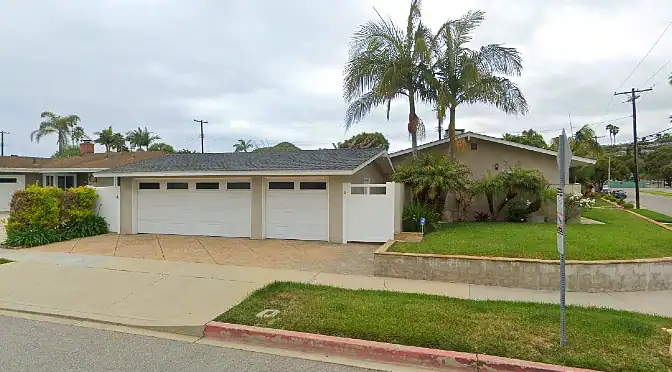
Recent Deal – San Pedro Irrevocable Trust Loan
San Pedro Irrevocable Trust Loan North Coast Financial provided a $405,000 irrevocable trust loan in San Pedro, [...]
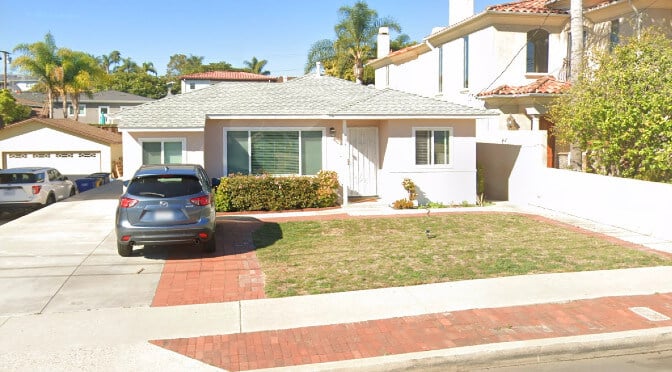
Recent Deal – El Segundo Trust Loan
El Segundo Trust Loan North Coast Financial funded a $575,000 trust loan in El Segundo, California (Los [...]
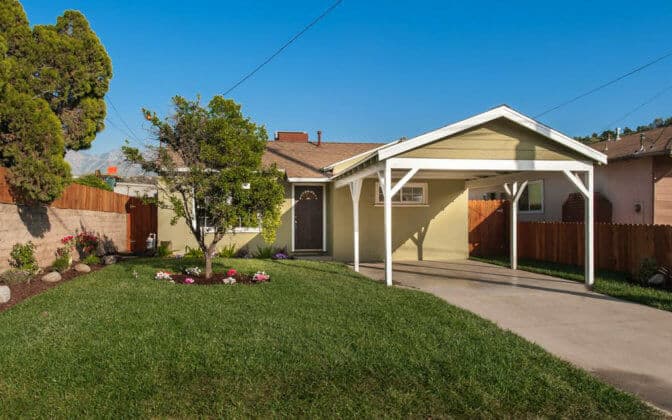
Recent Deal – Los Angeles Refinance Loan
Los Angeles Refinance Loan North Coast Financial provided a $195,000 cash out refinance loan in Los Angeles, [...]
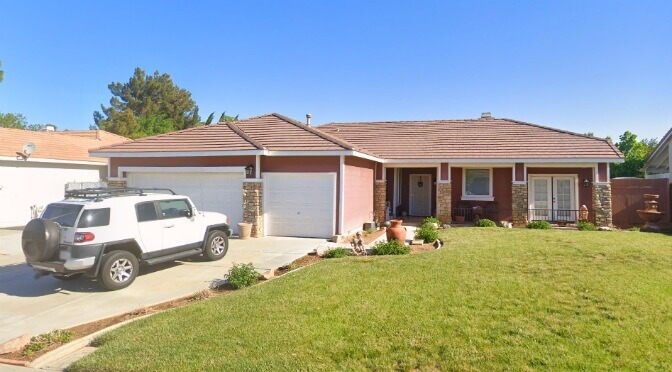
Recent Deal – Lancaster Bridge Loan
Lancaster Bridge Loan North Coast Financial provided a $100,000 bridge loan in Lancaster, California (Los Angeles County). [...]
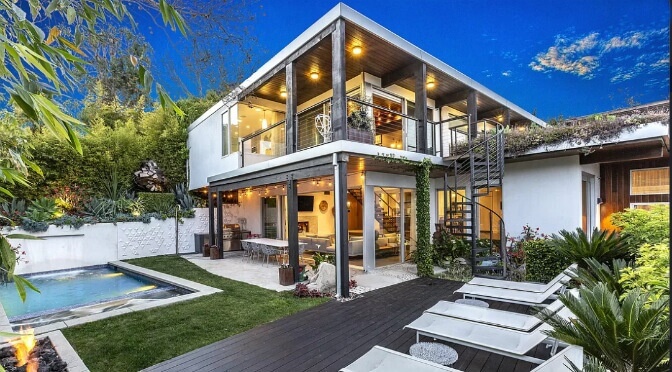
Recent Deal – Los Angeles Bridge Loan
Los Angeles Bridge Loan North Coast Financial provided financing for a $1,925,000 bridge loan in Los Angeles, [...]
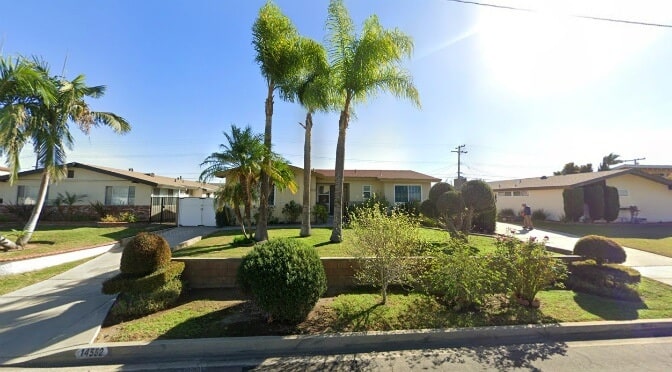
Recent Deal – La Mirada Trust Loan
La Mirada Trust Loan North Coast Financial provided a $340,000 trust loan in La Mirada, California (Los [...]
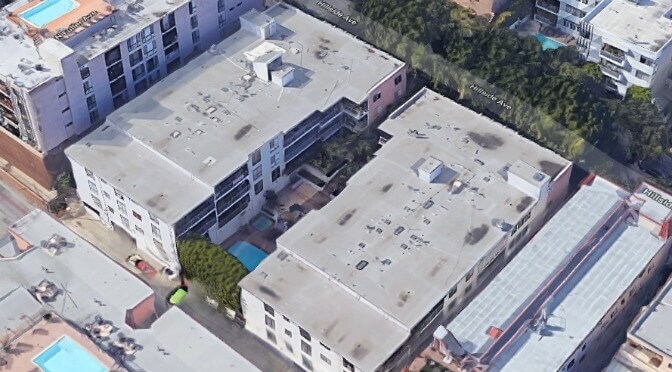
Recent Deal – Los Angeles Condo Fix and Flip Loan
Los Angeles Condo Fix and Flip Loan Financing of $301,000 was provided by North Coast Financial for a [...]
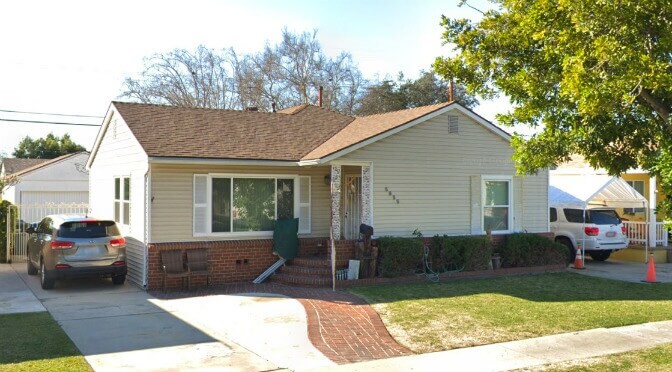
Recent Deal – Lakewood Bridge Loan
Lakewood Bridge Loan North Coast Financial financed a $275,000 bridge loan in Lakewood, California (Los Angeles County). The [...]
How to Obtain a Los Angeles Hard Money Loan
The hard money loan application process with North Coast Financial is fast and easy. The applicant must first complete and return a brief hard money loan application. Once the completed application is received by North Coast Financial, they will review and then notify the applicant whether or not their request has been approved. The approval process is often completed the same day the completed application is received.
Once the loan request is approved, North Coast Financial is able to fund the loan in as few as 5 – 7 days for investment property. Loans for owner occupied property generally take 2-2.5 weeks due to current federal regulations that even hard and private money lenders must follow.
Hard money lenders are mainly asset-based lenders. When considering loan approval, North Coast Financial is most concerned with the current value of the property used as collateral as well as the amount of equity the borrower has in the property. Issues on a borrower’s record such as poor credit scores, short sales, bankruptcies, foreclosures, and loan modifications can be overlooked in some situations. The borrower must have a considerable down payment to put towards a purchase or have sufficient equity within existing real estate to borrow against.
Once the has been approved, North Coast Financial quickly begins the loan process and works closely with the borrower until the loan has been funded. North Coast Financial prepares all the needed loan documents and disclosures and answers any and all questions from the borrower along the way.
When escrow is ready to receive funds from the lender, North Coast Financial will have the funds wired to escrow in order to close the deal.
What to have ready before you call for your Los Angeles hard money loan request
These five answers are what let us tell you yes or no on the first call rather than the third:
- The loan amount needed.
- The approximate property value, ideally from a recent comparable sale or an appraisal.
- Any existing mortgages, liens or loans recorded against the property.
- The property address. This determines the jurisdiction, which determines rent stabilization, ULA, permitting authority and the transfer tax picture.
- How the hard money loan will be paid off. Sale, conventional refinance, DSCR refinance, or something else. This is the question most often missing from an inbound form and it is one that matters the most.
If the property is held in a trust, LLC, corporation or partnership please let us know up front. If it is in probate, tell us whether the personal representative has full authority or limited authority. If it is a multi-unit building in the city, tell us whether it is rent-stabilized.
What is a Hard Money Loan / Private Money Loan?
A hard money loan is similar to a conventional home mortgage. The borrower is provided with a loan and real estate serves as the collateral. The key difference is that hard money loans are funded by private investors instead of institutional lenders such as banks and credit unions.
Unlike institutional lenders, hard money lenders do not primarily focus on income history or credit scores. Hard money lenders are primarily concerned with the property’s value and borrower’s the equity in the property. The emphasis on value and equity allows for fast and flexible funding that banks aren’t able to compete with.
Hard money lenders typically require a down payment of at least 25-30%. This amount of down payment is higher than what banks and credit unions typically require. The trade off is that hard money lenders have fewer requirements for loan approval.
Hard money lending is for short-term use only. The borrower must have an exit strategy in mind when they are applying for the loan. Hard money loans of up to 3 years are often available to borrowers. Common exit strategies include refinancing with a conventional loan or selling the property.
Hard money lending companies have higher interest rates than conventional bank lenders. Los Angeles hard money loan interest rates typically range from 9-12% for a 1st (senior loan). Hard money 2nd loans can range from 11-14% interest as there is a greater amount of risk assumed by the lender in 2nd position. The specific rate will vary based on many variables such as the lender, borrower, property and loan to value requested. While hard money interest rates are higher than conventional loans, the flexible lending criteria and fast funding is typically worth the higher cost to the borrower.
Real estate investors in need of quick financing to secure a limited-time opportunity are often the biggest beneficiaries of fast hard money loans. Since hard money loans for real estate are only offered for short terms, the higher interest rates often aren’t a significant cost over the course of the real estate investment.
Los Angeles Hard Money Loan FAQ
How fast can a hard money lender fund a loan in Los Angeles?
North Coast Financial approves most complete applications the same day they are received and funds investment property loans in as few as 5 to 7 days after approval. Loans secured by owner occupied property generally take 2 to 2.5 weeks because of federal regulations that apply to private money lenders as well as to banks. Recording in Los Angeles County is done electronically through the Registrar-Recorder, so the recorder is rarely what holds a closing up. Title clearance, payoff demands from servicers/lenders and probate documentation are the usual causes of delay.
How much can I borrow against a Los Angeles property?
Generally 65% to 70% of current market value, and up to 75% in the right scenario. Because Los Angeles County property values are among the highest in the country, that percentage often produces a large loan. A $1,000,000 property supports roughly $650,000 to $700,000, and a $2,000,000 property supports proportionally more. On a cash out or refinance, any existing liens count against that limit. North Coast Financial typically lends up to $3 million to $4 million but large amount may be available on a case by case basis.
What are hard money loan rates in Los Angeles?
North Coast Financial’s fixed rates start at 9.95% for first position (excluding consumer loans) with points from 1.5 and no junk fees. Second position loans price higher because the lender assumes more risk. Across the Los Angeles market, first position hard money rates generally run 9% to 12% and seconds run 11% to 14%. Your actual rate depends on the property, the loan to value, the lien position and the scenario. Call 760-722-2991 for a quote on your specific deal.
Do you lend on rent-stabilized buildings in Los Angeles?
Yes. The Los Angeles Rent Stabilization Ordinance generally covers rental units in buildings of two or more units with a certificate of occupancy on or before October 1, 1978, so most older duplexes, triplexes and fourplexes inside city limits are covered. Rent stabilization caps annual increases, requires just cause to end a tenancy, and triggers relocation assistance payments, all of which affect the net operating income a refinance exit has to be supported by. We can lend on covered buildings. Tell us the in-place rents and your exit plan on the first call so we can structure it correctly.
Does Measure ULA apply to a hard money loan?
No. Measure ULA is a transfer tax on the sale or transfer of real property inside the City of Los Angeles. Borrowing against a property you already own is not a transfer, so a cash out refinance or a bridge loan triggers no ULA. This is one reason Los Angeles owners with high-value property increasingly borrow rather than sell when they need liquidity. ULA does apply when you eventually sell, at 4% of the transaction value above the lower threshold and 5.5% above the upper one, on the gross price rather than the gain. Both thresholds are adjusted for inflation each year.
Can a trust or an LLC borrow directly in Los Angeles?
Yes. We regularly make loans directly to irrevocable trusts, living trusts, LLCs, corporations and partnerships holding Los Angeles County real estate. For a trust loan, the loan is made to the trust and secured by the trust-owned property and the loan proceeds going directly to the trust’s bank account. Have the trust documentation or the entity documents ready.
How do Prop 19 trust and probate loans work in Los Angeles County?
When a parent’s property passes to a child and the beneficiaries want to divide the estate unequally, a third party loan lets the trust or estate equalize the distribution so one beneficiary can keep the property. Filing correctly with the Los Angeles County Assessor preserves the parent’s assessed value and prevents a reassessment to current market value. On a house held since the 1970s and now worth seven figures, that is a very large annual tax saving. The typical sequence is the loan funds, the distribution is made, the transfer records, and the exclusion is claimed within the deadline.
Do I need permits before a Los Angeles fix and flip loan funds?
No, the loan can fund before permits are pulled. But the permit path should be understood before you remove contingencies, because it determines your schedule. Inside the City of Los Angeles, cosmetic and like-for-like work is generally handled over the counter by LADBS, while anything structural, any addition, any change to the footprint, garage conversions and ADUs go to plan check, and the plan check correction cycle is where flip timelines slip. Historic Preservation Overlay Zones, hillside grading rules and the Coastal Zone each add their own review. Pasadena, Long Beach, Burbank, Glendale, Santa Monica and Beverly Hills run their own building departments with their own timelines.
Can I get a hard money loan in Los Angeles with bad credit?
Often, yes. Hard money is asset-based lending, which means the property’s current value and your equity position are the primary qualifiers rather than a credit score or income documentation. Past foreclosures, short sales, bankruptcies and loan modifications can be worked around in many scenarios. What is not optional is equity and a reasonable exit strategy. You need meaningful equity in the property or a substantial down payment on a purchase and a credible plan for how the loan gets repaid.
What is the difference between a hard money loan and a bridge loan?
They both describe a short term loan secured by real estate that funds faster than conventional financing. “Bridge loan” usually describes the purpose of borrowing against a property you own to buy the next one before the first one sells. “Hard money loan” usually describes the underwriting being primarily asset-based rather than income-based. North Coast Financial provides both, and in Los Angeles a large share of our bridge lending is for homeowners with substantial long-held equity who need to buy before they sell.
Los Angeles, California
Also known as the “City of Angels”, the city of Los Angeles is the largest city in California and 2nd largest in the country behind New York City. Los Angeles, California is known for its traffic, diversity, Hollywood, celebrities, film and television industries and great weather. The greater LA region is home to over 18 million people and was incorporated in 1850. The major industries of Los Angeles County include entertainment, media, fashion, technology and medicine.
For real estate, the defining feature of the county is that it is not one market. Property types and price points shift dramatically within a few miles. Oceanfront in Manhattan Beach, dense pre-war multi-unit in Koreatown, single family tract housing across the Valley, high-rise condominiums downtown, high-desert inventory in Lancaster and Palmdale.
Areas We Serve in Los Angeles County
North Coast Financial provides hard money loans throughout Los Angeles County.
Westside and South Bay
- Santa Monica Hard Money Lenders
- Beverly Hills Hard Money Lenders
- Brentwood Hard Money Lenders
- Manhattan Beach Hard Money Lenders
- Redondo Beach Hard Money Lenders
- Torrance Hard Money Lenders
- Hawthorne Hard Money Lenders
- Inglewood Hard Money Lenders
- Rancho Palos Verdes Hard Money Loans
- Long Beach Hard Money Lenders
San Fernando Valley and Santa Clarita Valley
San Gabriel Valley
- Pasadena Hard Money Lenders
- Alhambra Hard Money Lenders
- Arcadia Hard Money Lenders
- El Monte Hard Money Lenders
- West Covina Hard Money Lenders
- La Puente Hard Money Lenders
- Diamond Bar Hard Money Lenders
- Walnut Hard Money Lenders
- Pomona Hard Money Lenders
- Claremont Hard Money Lenders
- La Habra Heights Hard Money Lenders
Southeast Los Angeles County and the Gateway Cities
Antelope Valley
Los Angeles, California
