

Owner Occupied Bridge Loans: Top 5 Benefits of Bridge Lending
Owner occupied bridge loans allow a homeowner to buy a new home while still owning their current one. Timing the sale of one house against the purchase of the next is hard: good listings move fast, and sellers prefer offers that do not depend on another sale closing first. This type of financing solves that timing problem. This article explains how these loans work, what they cost and who qualifies. As a direct California hard money lender, North Coast Financial funds loans throughout the state, with no junk fees.
Key Takeaways
- The loan is secured by the equity in your current home and lets you buy the next one before you sell. Terms run up to 11 months, with monthly payments on a 30-year amortization, with the remaining balance due at the end of the term, and there is no prepayment penalty.
- At North Coast Financial, residential bridge loans are 9.95% to 10.95% on a first lien, APR 11.40% to 13.22%, with 1.25 to 1.95 points, up to 65% to 70% of the home’s value.
- Approval rests on your equity and your plan to sell. Because these are consumer loans on a primary residence, federal disclosure rules set the pace: plan on 2 to 2.5 weeks to fund.
- The plan must be to sell the current home. That sale pays the loan off.
What is an Owner Occupied Bridge Loan?
An owner occupied bridge loan is a short-term financing solution that helps homeowners purchase a new primary residence before selling their existing home. It “bridges” the gap between buying the new home and selling the current one. Unlike traditional mortgages that can take 30 to 45 days to close, bridge loans from a private lender can be processed more quickly and have more flexible qualification requirements.
Owner occupied bridge loans have terms of up to 11 months, with no prepayment penalty, so selling early cuts the cost. Repayment terms: monthly payments on a 30-year amortization, with the remaining balance due at the end of the term. The amount you can borrow is based on the value of the homes involved and the cash you have for a down payment (if needed). Rates run higher than a conventional mortgage because the loan is short and the lender takes more risk. At North Coast Financial, residential bridge loans are 9.95% to 10.95% on a first lien, APR 11.40% to 13.22%, with 1.25 to 1.95 points.
How It Works: A Simple Example
Say your current home is worth $1,200,000 and you owe $300,000 on it, and you want to buy a $1,500,000 home before you sell. A loan of up to 65% to 70% of the current home’s value leaves room for roughly $480,000 to $540,000 after the existing mortgage is counted. That can cover the down payment and closing costs on the new house, with a purchase mortgage for the rest. When the current home sells, escrow pays off both the bridge financing and the old mortgage, and you keep the remaining equity. The actual amount depends on the home’s value, the existing liens and how the new purchase is financed. If you use a conventional mortgage on the new house, that lender sets its own rules for how it counts the extra payment. These figures are an illustration only, not a quote.
Owner Occupied Bridge Loan Benefits
1. Buy Before Selling: Eliminate the Need to Move Twice
The first advantage is the ability to purchase the next home before you sell the current one. You can act quickly and get the new home under contract, rather than waiting for the existing one to sell. In competitive markets, that can be the difference between winning a house and losing it to another buyer.
Without bridge financing, many homeowners sell first, move into temporary housing, and then move again once they buy. Bridge financing lets you move directly from the current home to the new one. That saves on moving and storage and spares the family a second move.
2. Approval Based on Your Equity
A traditional mortgage qualifies you mainly on your debt-to-income ratio (DTI). An owner occupied bridge loan starts with the value of the homes involved and the owner’s equity. That helps many borrowers with significant home equity, including retirees and people with complex income. We still review your income or cash reserves, as described under Income Verification below.
The main question is the borrower’s exit strategy, meaning the repayment plan. That is the sale of the existing home, sometimes followed by a refinance of the new home into a long-term mortgage, depending on the borrower’s situation.
3. Avoid Contingent Offers: Make Competitive Offers
In many markets, sellers prefer clean offers without contingencies. An offer that depends on the buyer first selling their existing home is not likely to be accepted. With the funding in place, you can make a non-contingent offer, since the purchase no longer waits on your sale. That strengthens your negotiating position, makes the offer more attractive to the seller, and can help you win a multiple-offer situation.
4. Fast Funding: Quick Access to Capital
Traditional mortgage processes can be lengthy, and bank purchase loans typically take 30 to 45 days. North Coast Financial funds owner occupied bridge loans in about 2 to 2.5 weeks. Because these are consumer loans on a primary residence, federal disclosure rules build in waiting periods that every lender must follow, so apply as soon as you are in contract on the new home. That timeline meets most close of escrow dates.
5. Sell Existing Home for Top Dollar
Without the pressure to sell quickly, you can take the time to prepare and market the existing home to maximize the sale price. That may mean making repairs or upgrades, waiting for a better time of year to list, or holding out for a better offer. Repairs and staging are much easier once you have moved out.
The flexibility provided by bridge financing means you won’t have to accept a lower offer just to meet the timeline for purchasing your new home.
Pros and Cons to Weigh Before You Borrow
The pros are above. The cons are real, and they vary with how long the sale takes. Weigh them before you commit:
- A higher rate than a mortgage. 9.95% to 10.95% on a first lien, APR 11.40% to 13.22%, at North Coast Financial, plus 1.25 to 1.95 points, for the months the loan is open.
- Two housing payments for a while. Until the old home sells, you pay its mortgage, the bridge loan and the new home’s payment.
- Sale risk. The plan depends on selling within the 11-month term. Price the current home realistically and talk timing through with your agent before you buy.
- Closing charges on both ends. Escrow, title and recording apply to the bridge financing as well as the purchase.
Alternatives include a home equity line of credit (HELOC) opened before you list, a contingent offer, or a sale first with a rent-back period. Each fits a different situation. Bridge financing is usually the right option when you have significant equity, have found the next home, and a contingent offer would lose it.
Owner Occupied Bridge Loan Requirements
To qualify for an owner occupied bridge loan, requirements must be met:
Equity in the Property: Expect to need significant equity in the current home relative to the amount needed. Loan amounts of up to 65% to 70% of the current value of the home are typically available. The equity is the security for the loan.
Credit Score: Credit matters, but equity matters more. North Coast Financial reviews credit as part of every file, and a lower score does not rule out a homeowner with significant equity and a clear plan to sell. If you plan to refinance the new home into a long-term mortgage at the end, that mortgage company will set its own credit score minimum.
Property Qualifications: Both the current and new home must meet underwriting standards. This typically includes being in good condition and having clear title.
Exit Strategy: You will need a realistic repayment plan. For an owner occupied bridge loan, the plan must be to sell the current home, and that sale pays the loan off.
Income Verification: We want to see sufficient income (or cash reserves) to cover the loan payments and the expense of carrying both homes for the period of the loan.
Owner Occupied Bridge Loan Lenders
While some traditional financial institutions offer bridge loans for owner occupied homes, most of this lending comes from specialized private lenders.
Specialized private lenders focus specifically on bridge loans and similar short-term financing solutions. They may offer more flexible terms but potentially at higher rates.
When selecting a bridge loan lender, consider factors such as:
- Interest rates and fees: fees typically matter more than the interest rate on a short loan
- Loan terms and flexibility: the expectation is a short loan term of less than 12 months
- Processing times and efficiency: make sure the lender can fund before your close of escrow date
- Requirements for qualification: equity in the home is usually the key factor
- Customer service and support: find and read customer reviews
- Experience with bridge transactions: make sure the company has the necessary licensing and experience
To check a license in California, look up the lender’s DRE and NMLS numbers. North Coast Financial is DRE Broker #01870870, NMLS ID 323044, with 45 years of private lending, over $1 billion funded since 1981 and a 5.0 star Google rating.
Working with an experienced lender who understands the unique characteristics of bridge financing can make the process smooth and successful. While owner occupied bridge loans can provide valuable flexibility in your home transition, they require careful consideration of the costs and risks. A well planned financing strategy and a reputable private lender will set the homeowner up for success.
Owner Occupied Bridge Loan FAQs
When does it make sense to use a bridge loan?
When you have significant equity in your current home, you have found the next one, and a contingent offer would lose it. Higher interest rates than a mortgage are worth paying when the loan is what wins you the house. It also makes sense when you want to move once, prepare the old home for sale while it sits empty, and sell it on your own timeline.
How long does an owner occupied bridge loan take to fund?
About 2 to 2.5 weeks at North Coast Financial. Federal disclosure rules for consumer loans on a primary residence set waiting periods that every lender must follow, so start as soon as you are in contract on the new home.
Is there a prepayment penalty?
No. Residential bridge loans from North Coast Financial have no prepayment penalty. If the old home sells in three months, the loan is paid off through escrow and the interest stops.
Do I have to sell my current home?
Yes. This loan is built around the sale of the current home within the term of up to 11 months. The sale is how the loan is repaid.
Can I get a bridge loan if my home is already listed?
Yes. A listed home is common, and it shows the sale is under way. What matters is the equity in the home and a realistic price and timeline.
North Coast Financial funds residential and commercial bridge loans throughout California in about 7 days once the file is complete for investment property, and 2 to 2.5 weeks for consumer purpose loans. Call (760) 722-2991 with the property and the timeline, or contact North Coast Financial for a free consultation.
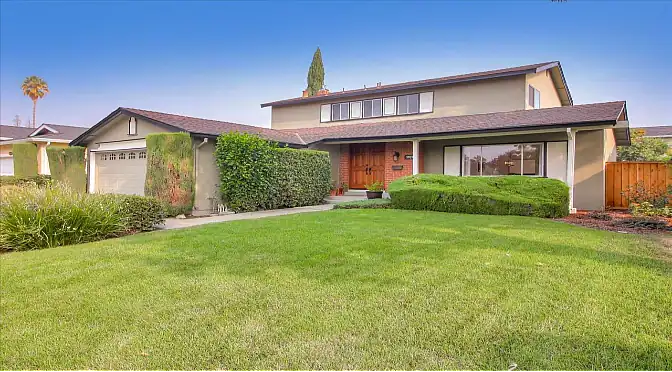
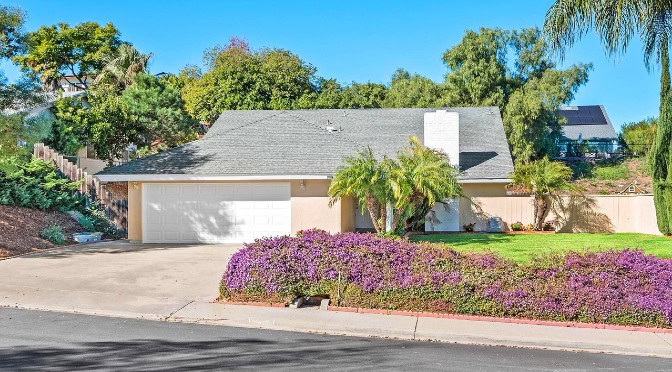
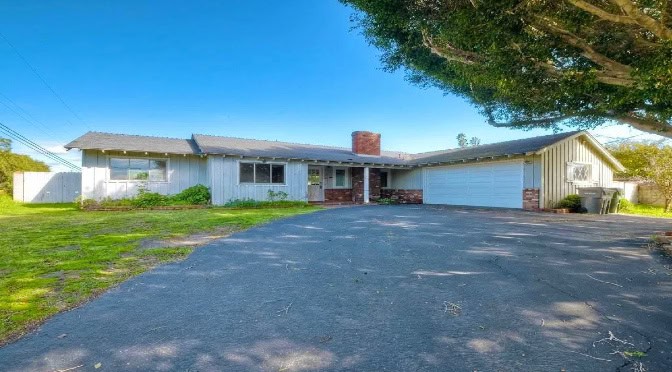
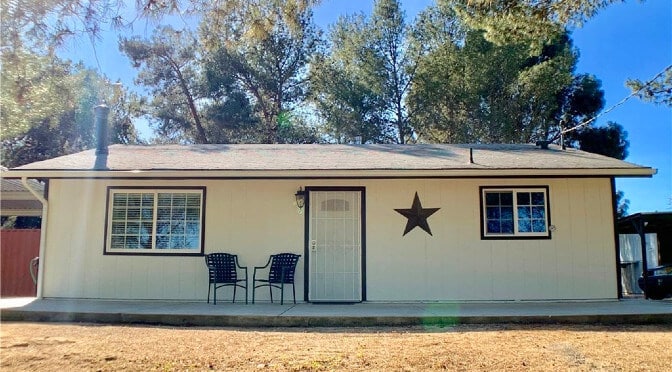
Recent Bridge Loans Funded by North Coast Financial
Bridge Loans Resource Guide

California Bridge Loan Request
We will contact you to review the loan scenario and provide a quote.