

What Is a Bridge Loan and How Does It Work?
A bridge loan is a short-term loan that “bridges the gap” until your current home sells or permanent financing is in place. Traditionally, the borrower owns an existing property to borrow against, although many people use the term for any short-term loan. Residential bridge loans from North Coast Financial run up to 11 months, which gives you time to sell your current home. Investment and commercial loans usually run 1 to 2 years, sometimes 3. North Coast Financial is one of the most experienced bridge loan lenders and hard money lenders in California, with over $1 billion in private money loans funded since 1981.
What Is a Bridge Loan?
A bridge loan is a short-term real estate loan that lets you borrow against the equity in a home you already own so you can buy another one before the first one sells. The loan “bridges the gap” between buying the new home and selling the old one or securing permanent financing.
Interim financing solves the same problem when the timing gap is short. It is secured by a recorded note and deed of trust, just like a conventional mortgage, but it is funded by a private lender and designed to be repaid quickly, within 11 months on a residential loan.
Put simply, a bridge loan is a short-term, asset-based loan against the equity in real estate you already own. The main requirement is significant equity, and the loan is paid off when your current home sells. It is not a no-money-down loan.
What Is a Residential Bridge Loan?
A residential bridge loan is secured by a home: a single family house or a small multi-unit property. When you live in the home you are selling, it is a consumer purpose loan, and government regulations add steps that a business loan does not have. That is why an owner-occupied loan takes 2 to 2.5 weeks to fund, compared with about 7 days for an investment property. You must plan to sell your current home, because the sale is what repays the loan. Read More: Residential vs. investment property bridge loans
Is a Bridge Loan a Conventional Loan?
No. A conventional loan follows Fannie Mae and Freddie Mac guidelines, and the bank approves it mainly on your income and debt to income ratio. A bridge loan is a private money loan. North Coast Financial approves it mainly on the equity in your property, which is why it can close in weeks instead of the 30 to 45 days a bank usually needs. Both are secured the same way, with a recorded note and deed of trust. Many buyers use both: a bridge loan to buy the new home now, then a conventional loan on the new home once the old one sells.
How Bridge Financing Works
You borrow against the equity in your current home and use the proceeds to buy the next one, either all cash or combined with other financing. Once you own the new home, you sell the old one, and that sale pays off the loan.
Heirs and executors use the same idea during probate: a short-term loan against estate property, repaid when the property sells or the estate closes. Read More: Probate and inheritance loans in California
Double Bridge Loans
In some situations you may need a double bridge loan: one loan against the home you already own and a second to help buy the new one. Borrowers use this structure when they need both loans at once but cannot qualify for both at the same time because of debt to income ratio limits.
Because a bridge loan is temporary, it is not held to the same debt to income ratio requirements. Once your first home sells and the loan is repaid, you can usually qualify for a conventional loan to refinance the new home. See the full bridge loan requirements for details on how to qualify.
How Much Can You Borrow On a Bridge Loan
The amount you can borrow depends mainly on the value of the home. North Coast Financial lends up to 65% to 70% of your home’s current value. Any existing loans against the home are paid off from the new loan, which reduces the cash you receive. Loan amounts of $3 to $4 million are available on a single family residence, and larger loans are often available for multi-unit properties. See a full bridge loan example showing how these numbers work in practice.
Contingency-Free Offer – Why Home Owners Turn to Bridge Loans
Many homeowners borrow this way so they can make a contingency-free offer that does not depend on selling their current home first. In a seller’s market, a seller is unlikely to accept an offer that depends on the buyer selling another home.
Homeowners also use them to avoid moving twice: selling, finding temporary housing, then moving again. Bridge lenders are often private money lenders with far fewer restrictions than banks. If a bank turned you down over a minor issue, a private lender may still be able to make the loan. Weigh the full bridge loan pros and cons before deciding whether this option is right for you.
Average Bridge Loan Rates
Rates are higher than on a conventional mortgage because the loan is short term. At North Coast Financial, residential bridge loans typically run 9.95% to 10.95% interest with 1.25 to 1.95 points. Your rate depends on the loan to value (LTV), the loan amount, your credit and the property. There is no prepayment penalty, so most borrowers pay the loan off as soon as the existing home sells, or refinance into a lower-rate loan. See our full breakdown of current bridge loan rates and fees.
Monthly Payments, Costs and Paying Off a Bridge Loan
Monthly payments. The loan has a monthly payment, like any mortgage. You make it every month until your current home sells.
Payoff. When your home sells, escrow pays off the loan from the sale proceeds. There is no prepayment penalty, so paying it off in month three costs nothing extra.
Closing costs. You pay the points above plus the normal title and escrow charges. North Coast Financial does not order an appraisal, so there is no appraisal fee, and there are no junk fees.
If your home has not sold yet. Call us well before the loan comes due so we can talk through your options.
For the documents we ask for, see how to qualify for a bridge loan.
North Coast Financial funds residential and commercial bridge loans throughout California: 7 days typical funding for investment property, and 2 to 2.5 weeks for owner-occupied (consumer purpose) loans. Call (760) 722-2991 with the property and the timeline, or contact North Coast Financial for a free consultation.
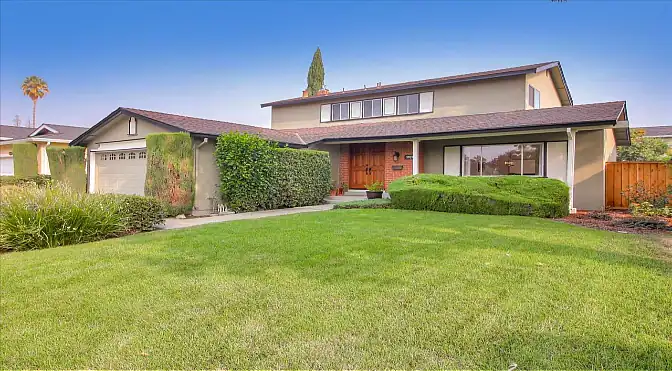
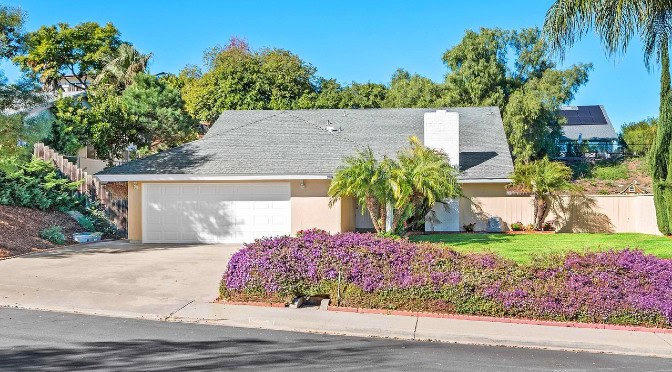
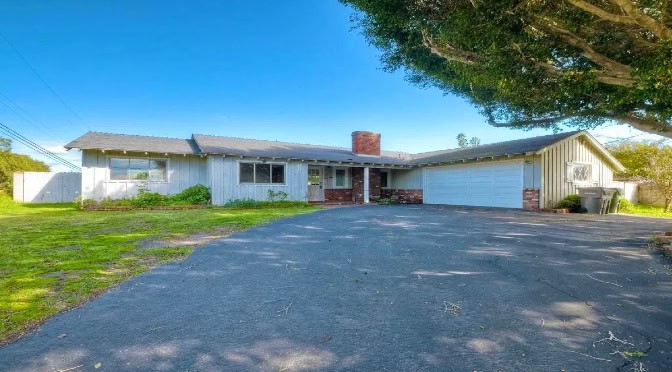
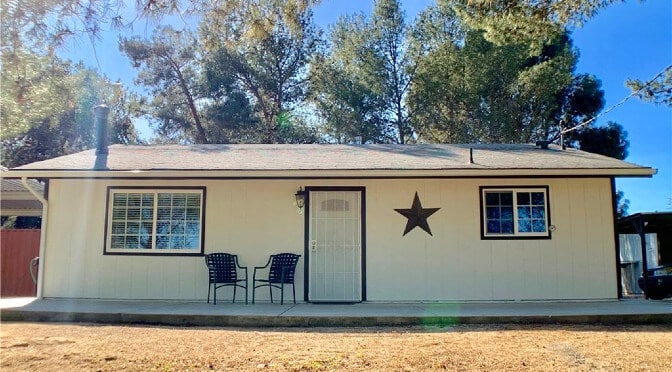
Recent Bridge Loans Funded by North Coast Financial
Bridge Loans Resource Guide

California Bridge Loan Request
We will contact you to review the loan scenario and provide a quote.