Buy Before You Sell – Bridge Loans for California Homebuyers

Buy Before
You Sell.
A bridge loan from North Coast Financial lets California homeowners purchase their next property — without contingencies, rushed sales, or two stressful moves. Here is how the process unfolds, from offer to payoff.
Most homeowners are forced to choose: sell first and scramble for housing, or make a contingent offer that sellers reject. A bridge loan changes the order of operations — you buy first, sell second, and dictate your own timeline.
Identify the Home You Want to Buy
Before listing your current property, find the home you want to purchase. Rather than waiting to sell first or submitting a contingent offer, you apply for a bridge loan against the equity in your current home.
& Target
Note 01 The buyer's market never waits. Lock the right property while it is on the table.
Apply for a Bridge Loan & Get Preapproval
North Coast Financial underwrites residential bridge loans primarily based on the asset. The key inputs are the estimated value of your current home and your outstanding mortgage balance. Your equity position determines how much you can borrow — and this moves faster than a conventional loan.
Asset-based underwritingNote 02 Equity, not employment history, drives the decision.
Make a Non-Contingent Offer
With a preapproval letter in hand, your offer carries no home sale contingency. It competes on equal terms with cash buyers. Sellers prefer clean offers — and this is as clean as it gets.
Competes with cashNote 03 A clean offer is the strongest currency in a competitive listing.
Get the New Property Under Contract
Your offer is accepted and the new home goes under contract. Your current home is still yours — not yet listed, not yet on the market.
Note 04 Two homes, one owner — briefly, and by design.
The Bridge Loan Funds
Once the new property is under contract, the bridge loan closes. Proceeds are available for your down payment or a full cash purchase. North Coast Financial funds consumer purpose bridge loans in 2 to 2.5 weeks.
Closes in 2–2.5 weeksNote 05 Capital arrives precisely when escrow needs it.
Sell Your Current Home on Your Timeline
Now that you are not living in it and not under pressure to close fast, you can stage it properly, price it right, and wait for the right buyer. The bridge loan term runs up to 11 months — ample runway to maximize your sale price.
Up to 11-month term& Sell
Note 06 A vacant, staged listing routinely outperforms an occupied one.
Sale Closes & Bridge Loan Is Repaid
Proceeds from your current home's sale pay off the bridge loan balance. You are in your new home with no ongoing bridge obligation — clean balance sheet, single mortgage, process complete.
Note 07 The bridge does its job, then disappears.
One move. The right buyer for the old home. The right offer on the new one.
A bridge loan reorders the timeline so that you're never negotiating from weakness — and never paying the price of a forced sale. North Coast Financial and its affiliates have been funding California real estate since 1981.
How to Buy Before You Sell: A Bridge Loan Strategy for California Homebuyers
If you have ever tried to buy before you sell, you already know the problem. The home you want to buy will not wait. Your equity is tied up in a property you have not listed yet. You submit a contingent offer and watch a cleaner offer take the home. Or you sell first, land in a short-term rental and end up moving twice.
A short-term bridge loan is built for exactly this situation. It allows you to access your equity now, lets you buy your next home without contingencies and keeps you from selling your current one under pressure.
Buy Before You Sell – 7 Steps
- Identify a home you want to buy. Before listing your current property, you find a home you want to purchase. Rather than waiting to sell first or submitting a contingent offer, you apply for a bridge loan against the equity in your current home.
- Apply for bridge loan and get preapproval. North Coast Financial underwrites residential bridge loans primarily based on the asset
Not every lender does. Comparing bridge loan lenders on whether they underwrite the property or the borrower is what decides how fast a preapproval turns into funding.. The key inputs are the estimated value of your current home and your outstanding mortgage balance. Your equity position determines how much you can borrow. This moves faster than a conventional loan because the underwriting is not built around tax returns and debt-to-income ratios.
- Make a non-contingent offer. With a preapproval letter in hand, your offer on the new home has no home sale contingency attached. It competes on equal terms with cash buyers. Sellers prefer clean offers, and this is as clean as it gets.
- Get new property under contract. Your offer is accepted and the new home goes under contract. Your current home is still yours, not yet listed.
- The bridge loan funds. Once the new property is under contract, the bridge loan process begins. The proceeds are made available for your down payment or full cash purchase. North Coast Financial funds in 2-2.5 weeks for consumer purpose bridge loans, which lets you move quickly when a seller is ready to close.
- You sell your current home on your timeline. Now that you are not living in it and not under pressure to close fast, you can stage it, price it right, and wait for the right buyer. The bridge loan term runs up to 11 months, giving you a reasonable window to sell your existing home.
- The sale closes and the bridge loan is repaid. The proceeds from your current home’s sale pay off the bridge loan balance. The transaction is done. You are in your new home with no ongoing bridge obligation. The whole cycle typically runs a few weeks on the front end (approval and purchase) and a few months on the back end (listing and selling the departing property), well within the loan term.
The Timing Problem Most Buyers Run Into
California’s housing market does not give you much room to hesitate. When a good home comes on the market, the window is short and the competition is real. Contingent offers, where your purchase depends on your current home closing first, signal to sellers that you are not fully ready. In a market with multiple offers, that is often enough to knock you out, even when your price is competitive.
Selling first and then buying creates a different kind of pressure. You are searching under a deadline, often with a short-term lease running down, which pushes you toward paying more than you should or accepting a home that was not your first choice.
Neither sequence works cleanly. What breaks the cycle is access to capital that does not depend on where your current home is in the sales process. That is where a bridge loan comes in.
A contingency offer adds real risk for the seller. If your sale falls through, their deal goes with it. Sellers in competitive markets consistently favor offers with fewer conditions. Removing that contingency, which bridge loan funding makes possible, often matters more than the offer price itself.
What a Bridge Loan Actually Does
A bridge loan is a short-term loan secured by the equity in your current home. You borrow against what you own, use those funds to purchase your new home, and repay the loan when your current property sells. That is what makes the buy-before-you-sell approach work.
Accessing your equity before the sale closes
The loan is structured around the value of your current home and how much equity you hold in it. A hard money lender looks at what the property is worth, what you owe, and how much can be lent against that position. Because hard money bridge loans are underwritten based on the asset rather than primarily on income or credit score, they are accessible to a broader range of borrowers than conventional bridge loans allow. Self-employed buyers, retired seniors, real estate investors, and those with non-traditional income often find hard money bridge financing easier to qualify for, with fewer paperwork hurdles.
How repayment works
Monthly payment are required just like a normal mortgage. The ultimate repayment happens when your current home sells. The proceeds from that closing pay off the bridge loan. North Coast Financial’s residential bridge loans run up to 11 months, keeping the arrangement focused and time-limited. You are not taking on a long-term obligation. You are bridging a gap that closes once escrow on your existing property does.
The Bridge Loan Process: Application to Closing
The process with a direct hard money lender is faster than going through a bank.
You start by providing basic information: the estimated value of your current property, your existing mortgage balance, details on the home you want to purchase, and your timeline. Because North Coast Financial underwrites and funds loans in-house, the people reviewing your file are the people making the decision. There is no loan file traveling through multiple departments or waiting on a committee schedule.
Once approved, you use the bridge loan funds to purchase your next home. Your offer goes in without a home sale contingency, which puts it on equal footing with cash buyers and conventionally financed buyers. In California, that distinction matters. Sellers notice when an offer does not depend on a separate transaction going right.
With your new home secured, the pressure to sell fast is gone. You can list your current home at the right price, stage it properly, and wait for a buyer who will pay what it is worth. When that sale closes, you repay the bridge loan and move on.
What to Expect on Terms and Requirements
Bridge loans are short-term by design, which is both their strength and the primary cost to account for. Rates are higher than conventional mortgages, reflecting the speed and flexibility of the financing.
Loan amounts depend on the equity in your current home and the lender’s loan-to-value parameters. The stronger your equity position, the more you can access.
Because hard money bridge loans prioritize the asset over the borrower’s income profile, credit requirements are more flexible than conventional lenders require . The core question in underwriting is whether the property equity supports the loan.
Why a Direct Hard Money Lender Changes the Math
Most coverage of bridge loans focuses on conventional products: bank bridge loans, retail mortgage company offerings, credit union programs. Those products exist and work for some borrowers. But they come with tradeoffs that matter when you are trying to buy before you sell in a market that does not slow down for paperwork.
Speed. North Coast Financial can fund hard money bridge loans in 2 weeks. In a competitive California market, the speed at which you can close often matters as much as price. If a seller has two comparable offers and one buyer can close in 2 weeks while the other needs six weeks, the faster timeline wins. Bridge financing from a direct lender gives you that kind of certainty.
Asset-based underwriting. Conventional bridge loans require you to qualify on income and debt-to-income ratios while carrying your existing mortgage. Many equity-rich homeowners do not meet those thresholds on paper, even when they have more than enough property value to justify the loan. Hard money bridge loans are underwritten against the asset, which means your equity position is the primary qualifier.
No broker in the middle. North Coast Financial is a direct lender. There is no broker adding fees and delays between you and the decision. You deal with the people who are actually funding the loan, which keeps communication clear and timelines shorter.
Is a Bridge Loan the Right Move for You?
A bridge loan works best when you have meaningful equity in your current home, a specific property you want to buy without losing it to another offer, and a realistic plan for selling. If you have submitted contingent offers that lost, or watched your rental clock run down while searching for a replacement, the buy-before-you-sell approach through bridge financing is worth a serious conversation.
It is not the right fit for every situation. But for California homeowners who want to move on their terms, without the compromises that come with trying to time two transactions at once, it is the most direct path forward.
Talk to North Coast Financial About a Bridge Loan
North Coast Financial has been making hard money bridge loans in California since 1981, with over $1 billion funded across the state. If you are looking at a home you want to buy before your current one sells, reach out to learn whether a bridge loan fits your situation. As a direct lender, we can give you a clear answer quickly and fund just as fast when the right deal is in front of you.
North Coast Financial funds residential and commercial bridge loans throughout California, usually in seven to ten days, and 2 to 2.5 weeks for consumer purpose loans. Call (760) 722-2991 with the property and the timeline, or contact North Coast Financial for a free consultation.
Recent Bridge Loans Funded by North Coast Financial
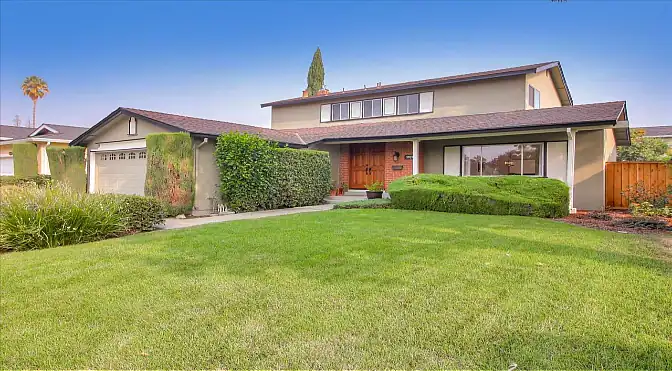
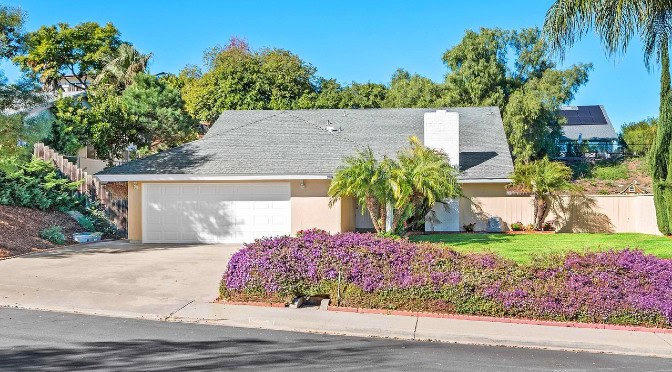
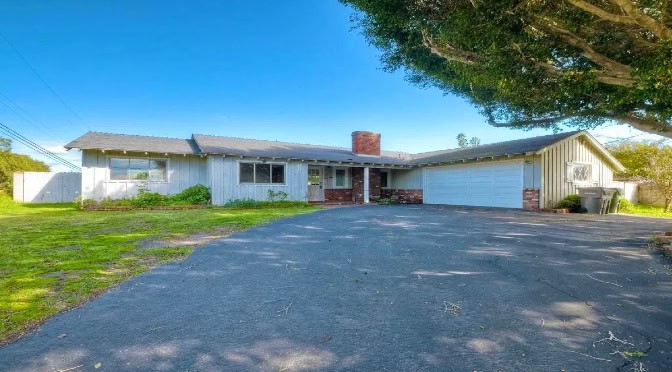
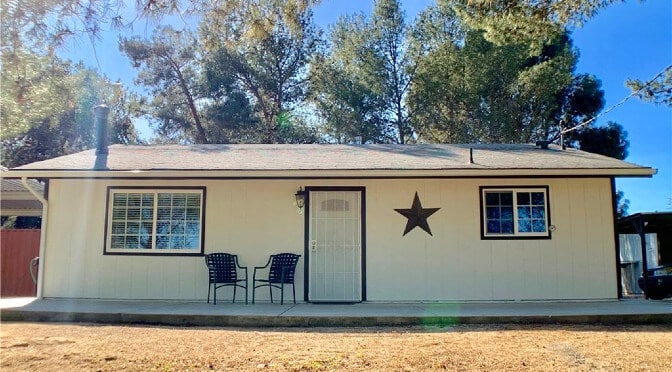

Bridge Loans Resource Guide
California Buy Before You Sell Loan Request
We will contact you to review the loan scenario and provide a quote.