

Can a Trust Get a Mortgage or Loan?
Can a trust get a mortgage? Yes. A revocable trust can get a mortgage from a traditional lender while the trustee who created it is living. An irrevocable trust usually cannot borrow from a bank, but a specialized trust loan lender can provide a short-term loan against the trust-owned property without removing it from the trust. Approval depends on the trust document allowing the loan and enough equity in the property.
Can a Trust Borrow Money?
Can a trust get a mortgage or a loan? A trust can borrow money depending on the type of the trust and if the trust allows for loans being placed against the trust-owned property. The majority of trusts do allow for a mortgage or trust loan to be placed against real estate owned by the trust.
There are many different types of trusts, but many trusts fall into the category of either living/revocable trusts or irrevocable trusts. A trust can take out a loan with an irrevocable trust loan lender if the trust has become irrevocable.
Our guide to irrevocable trust loans covers the process end to end, from trust documents through funding. If the inherited real estate was not within a trust it would likely be within an estate which would require the administrator/heirs to obtain a probate loan.
California Trust Loan Request
We will contact you to review the loan scenario and provide a quote.
California Trust Loan Request
We will contact you to review the loan scenario and provide a quote.
Can a Trust Borrow Money from a Bank?
A trust can borrow money from a bank if the trust is still considered a living or revocable trust. Banks typically treat a living or revocable trust as an individual since the individual(s) that created the trust are still living. If the original trustees of the trust have passed away, the trust would then be considered an irrevocable trust. Banks cannot typically lend to irrevocable trusts, only specialized irrevocable trust lenders such as North Coast Financial are able to provide irrevocable trust loans.
Who Pays the Mortgage on a House in a Trust?
The original trustee of the trust is typically who pays the mortgage on a house in a trust. If the trustee has passed away, the successor trustee of the trust will likely be responsible for paying the mortgage.
Living or Revocable Trust Loan
A trust can get a mortgage or loan from a traditional lender if the trust is considered a living or revocable trust. The original trustee who created the trust would still need to be alive for the trust to obtain the traditional mortgage or loan. Getting a mortgage on a property held in a trust is usually straightforward. The trustee would just need to sign for the loan as the trustee of the trust.
Does the Trust Allow Borrowing? Trust Provisions to Review
Before a lender approves a loan against trust property, the trust will need to provide documents verifying the trust can borrow. Most trusts do allow for borrowing. Review the trust for these specific provisions:
- Power to borrow and encumber. The trust should grant the trustee authority to borrow against trust assets and have lien secured against trust real estate. If the trust explicitly prevents the trustee from borrowing against trust assets a loan will not be possible.
- Trustee authority. Confirm who is the current acting trustee (successor trustee). When the original trustee has passed, the successor trustee(s) named in the trust is the one who must apply for and sign the loan disclosures and documents.
- Distribution and buyout language. If the loan will fund a beneficiary buyout, the trust terms for equalizing distributions should support it.
A specialized trust loan lender reviews these provisions as part of underwriting. Read more in Trust Loan Requirements.
Irrevocable Trust Loan
When the original trustees of the trust have passed, the living or revocable trust becomes an irrevocable trust. Once the trust becomes irrevocable, no changes can be made to the trust . The successor trustee(s) named in the trust are now able to act on behalf of the trust. Trusts typically allow for successor trustees to encumber assets of the trust (obtain a loan) but traditional lenders will not lend against a property that is currently owned by an irrevocable trust.
The traditional mortgage lender will likely require that the property is taken out of the irrevocable trust in order to provide the loan. The property would have to be transferred from the irrevocable trust into the name of an individual before the traditional lender would be able to consider providing a loan against the trust-owned property. If there is only one beneficiary of the trust this should be possible but the situation can be complicated when there is more than one beneficiary.
Mortgage Loans to Irrevocable Trusts
While traditional lenders cannot provide mortgages to irrevocable trusts, there are specialized trust loan lenders that provide loans against property within an irrevocable trust. These trust loan lenders are usually considered private money lenders or hard money lenders. They provide loans that are secured by real estate with a note and deed of trust just like a traditional lender. The main difference between traditional lenders and trust loan lenders is that the source of funds come from private investors as opposed to large institutions. The trust loan lenders also have flexible lending criteria and can fund much more quickly than traditional lenders (5-7 days vs 45-60 days).
Mortgage loans to irrevocable trusts are short-term loans and typically used to help the successor trustees and beneficiaries equalize the distribution of the assets of the trust. Mortgage loans to irrevocable trusts are often written for no longer than 12 months. This should be sufficient time to distribute the assets of the trust and payoff the loan.
A loan to a trust beneficiary is repaid once the property is sold or refinanced out of the trust. The loans are usually paid off within 2-3 months when the beneficiaries either refinance with a traditional loan, sell the property or payoff the loan with cash.
Successor trustees and beneficiaries need irrevocable trust loans for various reasons:
- Securing a 3rd party loan to prevent a property tax reassessment when the property transfers from parent to child (Prop 58 or Prop 19 in California)
- Dividing interest in the real estate among beneficiaries (trust beneficiary buyout) and equalizing the trust distribution
- Borrowing funds to make improvements to trust property and then sell
The successor trustee is able to apply for and sign the documentation needed to secure a loan against the trust property. The irrevocable trust loan would stay attached to the real estate when it is transferred out of the trust and into the name of the beneficiary who will be owning the property going forward. Once the title of the property is transferred into the beneficiary’s name, they can then get a mortgage from a traditional lender. Once the refinance is completed by a traditional lender, the trust loan will have been automatically paid off. Traditional financing will require satisfactory FICO scores, so the borrower may need to consider credit management prior to applying for the long-term loan if their scores are currently low.
What a Lender Checks Before Approving a Loan to a Trust
A trust loan is primarily asset based, so the property and the existing equity are the most important factors. A trust loan lender looks at:
- Equity in the property. There has to be enough equity to support the loan. Trust loans are typically written up to 65-70% of the property value.
- The property itself. Its type, condition, and California location, since the real estate is the collateral.
- Trustee authority. That the acting or successor trustee has the power to borrow, per the provisions above.
- Purpose and exit. Why the loan is needed. Most often a beneficiary buyout, paying trust expenses or making repairs prior to selling the property. The exit strategy for the short-term trust loan is important as well. Trust loans are usually paid off when the property is either sold, paid off with cash or refinanced once the property is transferred to into a beneficiary’s name.
How to Get a Loan for a Property in a Trust
- Confirm the trust type and the acting trustee. Living or revocable while the trustee is alive, irrevocable once they have passed. The successor trustee acts on behalf of an irrevocable trust.
- Check the trust permits borrowing. Confirm the power to borrow and encumber, and beneficiary or buyout terms if they apply.
- Gather the trust documents. Full copy of the trust, any amendments or reinstatements, affidavit of death of trustee or death certificates.
- Get a quote. Call North Coast Financial at (760) 722-2991 for a same-day review of the scenario and a rate quote.
- Fund and repay. The successor trustee signs loan disclosures and documents, the loan can fund in as few as 5 to 7 days, and it is repaid when the property is sold, repaid with cash or refinanced once in the name of the beneficiary.
Contact North Coast Financial now for a free consultation, or read our irrevocable trust loan guide for the process end to end.
The information provided herein is for educational purposes only. North Coast Financial is not providing any legal, tax or financial advice.
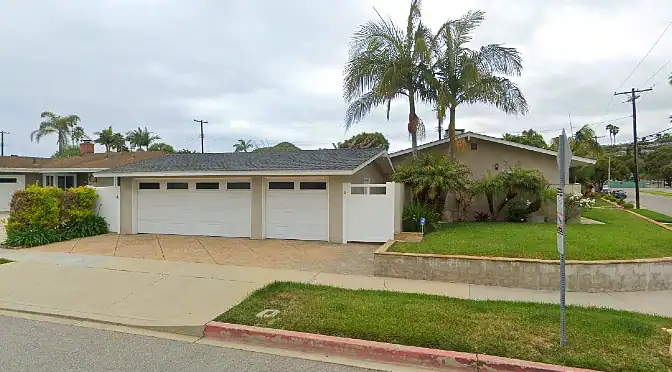
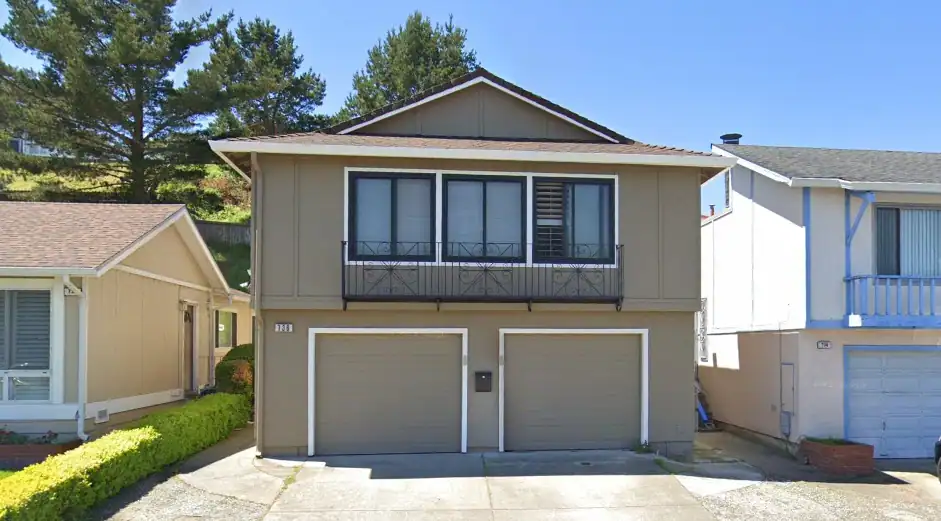
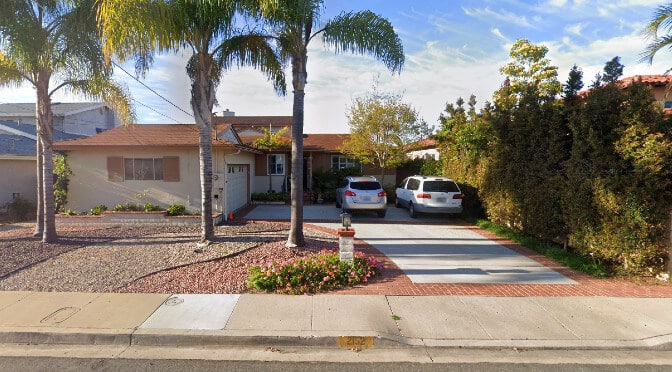
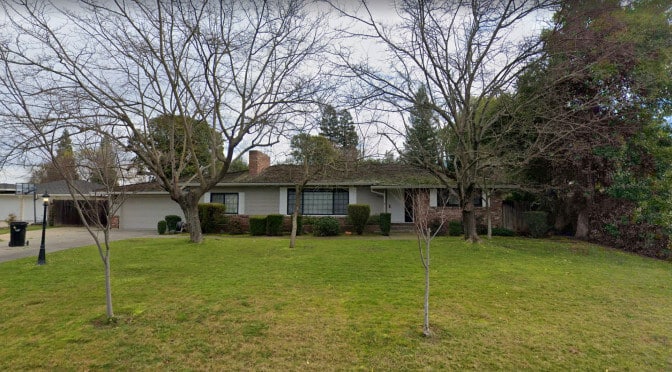
Recent Trust, Estate and Probate Loans Funded by North Coast Financial
Probate & Trust Loans Resource Guide