
California Probate Loans
for Heirs and Executors
Probate Loan Solutions in California for Heirs & Beneficiaries
Probate & Estate Loan Request
We will contact you to review the loan scenario and provide a quote.
California Probate Loans & Estate Loans
North Coast Financial offers California probate loans, estate loans and inheritance loans to heirs and beneficiaries in need of short-term financing for refinancing inherited property (real estate only). Based in California, North Coast Financial is a probate loan lender with over 45 years of lending experience providing fast approval and funding, competitive probate loan rates and excellent customer service. Contact North Coast Financial now and have your probate estate loan funded fast.
Loans against probate allow beneficiaries and probate administrators to settle debts of the estate, buy out beneficiaries, prevent a property tax reassessment and ultimately close the probate.
Our list of common probate loan questions answers what heirs and probate administrators ask most. North Coast Financial is one of the leading probate loan companies in California, providing real estate based estate and probate loan solutions in California in areas such as Los Angeles, San Diego, Orange County, Riverside, Ventura, San Francisco Bay Area, Sacramento, San Bernardino and various other counties throughout the state California.
What is a Probate Loan?
Probate loans, also known as estate loans, are short-term loans against real estate assets within an estate.
When the property sits in probate rather than a trust, probate loan solutions covers what the administrator needs in place first. The probate or estate loan is made directly to the estate. The loan proceeds can then go towards their intended purpose. Probate lending must be approved by the probate administrator. All beneficiaries of the estate must provide their consent to have the probate loan secured by estate-owned real estate. Specialized probate loan companies such as North Coast Financial provide fast and flexible financing secured by the estate-owned real estate.
– Can I Get a Loan on a House in Probate?
Heirs can get a loan on a house in probate as long as the house has sufficient equity relative to the probate loan amount being requested. The process must be initiated and completed by the probate administrator with full authority as the loan is being provided directly to the estate. All the heirs of the estate must provide written consent allowing for the probate loan to be secured against the estate-owned real estate.
– How to Qualify for a Probate Loan
Qualification for a probate loan depends on how the property will ultimately be transferred out of the estate. If the purpose of the loan is to borrow funds to repair or improve the real estate prior to selling, the qualification will be primarily based on the equity available within the property.
If the property is going to be transferred to an heir of the estate, the probate lender will need to verify that the heir has sufficient income and credit scores to refinance the short-term probate loan into a long-term traditional mortgage. If the heir has cash reserves available to payoff the loan that would also be sufficient in qualifying for the probate loan.

California Probate, Estate Loan Request
We will contact you to review the loan scenario and provide a quote.
Probate Loan vs Probate Advance: How They Compare
Heirs looking for money during probate usually find two products with similar names. A probate loan is a loan to the estate, secured by the estate’s California real estate. A probate advance is not a loan: a company pays one heir part of their expected inheritance now, and collects a larger amount from that heir’s share when probate closes. Which one fits depends on who needs the money and what it is for.
| Probate Loan from North Coast Financial | Probate Advance | |
|---|---|---|
| Who receives the money | The estate, through the probate administrator | One heir, based on that heir’s share |
| What secures it | A deed of trust on estate-owned California real estate | An assignment of part of that heir’s inheritance |
| Cost | Typically 9.95% to 10.5% interest, plus 1.5% to 1.95% in points | A fee set up front and taken from the heir’s share, often 10% to 40% of the inheritance value |
| What it can pay for | Estate debts and taxes, repairs before a sale, buying out other heirs | That heir’s own expenses |
| Who has to agree | The administrator, plus written consent from every heir | Only the heir taking the advance |
| How it is repaid | From a sale, a refinance by the heir keeping the home, or estate funds before the estate closes | From that heir’s distribution when probate closes |
When Each One Fits
A probate loan fits when the estate owns a California house with equity and the money has a job to do for the whole estate: paying debts and property taxes, fixing up the house before a sale, or buying out siblings so one heir can keep the family home. A probate advance fits an heir who needs personal cash, when the estate has no real estate or the other heirs will not agree to a loan. Before you sign either one, ask for the total dollar cost over the time you expect probate to take. Not sure which fits your family? Call Jeff Hensel at (760) 722-2991 and we will walk through the numbers for your estate.
Related: Inheritance Loan vs Inheritance Cash Advance
Why Consider a Probate Loan?
The estate may be going through a lengthy probate process which can take up to 3 years in some situations. Probate estate loans for beneficiaries can provide the needed funds until probate closes.
1. Settle Obligations of the Estate
During the probate process, the heirs may need a probate advance to obtain funds to take care of numerous financial obligations related to the estate such as paying for funeral costs, legal expenses, making mortgage payments, paying property taxes, settling debts or claims on the estate, making repairs to properties or buying out or paying off other heirs. An estate loan allows the heir to quickly borrow against real estate within the estate and receive funds to satisfy various immediate obligations of the estate. Loans against probate real estate assets can provide heirs and beneficiaries with some much needed breathing room during a difficult time.
2. Buy Out Other Heirs & Beneficiaries
An estate loan to buy out siblings or other beneficiaries is the fast and easy way to divide interest in an estate that contains real estate. The beneficiary who wants to maintain ownership of the real estate can take out an estate loan with the loan proceeds going towards buying out the other beneficiaries. All siblings and beneficiaries of the estate must approve of the loan being placed against the real estate. They must also come to an agreement on the value of the real estate. This is commonly accomplished by obtaining an appraisal.
3. Preserve the Property’s Existing Property Tax
California’s Proposition 58 allows for an exclusion of property tax reassessments on transfers of real estate from parent to child. The Prop 58 form must be filed with the county where the real estate is located. Probate lending allows a beneficiary to take out a loan against the estate’s real estate. The loan proceeds go directly to the estate and then are used to buy out the other beneficiaries who wish to sell their interest in the real estate. This 3rd-party loan and process allows for a direct parent to child transfer and avoids a sibling to sibling transfer. Consult an attorney when considering this type of transaction.
California Probate Loan Facts
Does the Estate Need Court Approval to Borrow?
It depends on the administrator’s authority under California’s Independent Administration of Estates Act (IAEA). With full authority, the administrator can usually borrow against estate real estate after mailing the heirs a Notice of Proposed Action, which gives them at least 15 days to object, with no court hearing. With limited authority, borrowing against real estate needs a court order first, which adds a petition and a hearing. North Coast Financial makes probate loans through an administrator with full authority and written consent from every heir. Your probate attorney can confirm which authority the estate has.
How Long Does a Probate Loan Take?
Once the administrator’s authority and the heirs’ written consents are in place, funding generally takes 1 to 2 weeks. The paperwork sets the pace, so gathering the letters of administration and the consents early is the fastest way to get the estate funded.
How Much Money Triggers Probate in California?
For deaths on or after April 1, 2025, a primary residence worth $750,000 or less can usually pass to the heirs through a simpler Petition to Determine Succession to Real Property instead of full probate, under AB 2016. The limit is the home’s gross value, so a mortgage does not lower it. Before that date the limit for real property was $166,250. If the home qualifies, the heirs may not need a probate loan at all. If it is worth more, or the estate owns other real estate, full probate and a probate loan are still common.
Who Signs for a Probate Loan?
The personal representative signs for the estate: the executor named in the will, or the administrator the court appoints when there is no will. The loan is the estate’s debt, not an heir’s personal loan, and it is repaid from a sale, from a refinance by the heir keeping the home, or from estate funds before the estate closes.
What Property Qualifies?
California real estate in the estate, primarily single-family homes and multi-unit residential property, with enough equity to support the loan. North Coast Financial lends up to 65% to 70% of the property’s value, sometimes 75%, on loans up to $3 million to $4 million, for terms of usually 1 to 2 years.
Probate Loan Calculator – Calculate Costs and Property Tax Savings
*North Coast Financial is only able to provide probate and estate loans against the real estate within an estate. The real estate must be located in California.

Why Choose North Coast Financial?
Recently Funded Probate, Estate, and Trust Loans by North Coast Financial
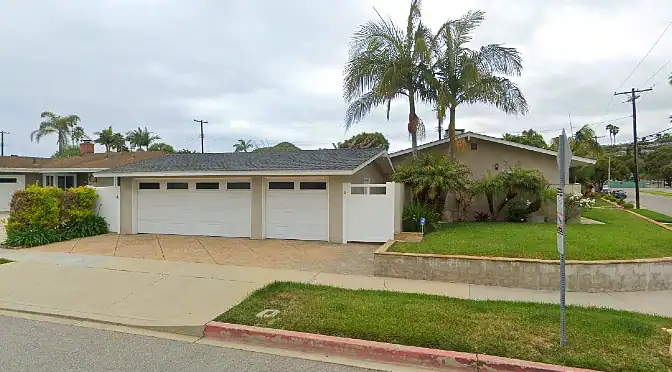
Recent Deal – San Pedro Irrevocable Trust Loan
San Pedro Irrevocable Trust Loan North Coast Financial provided a $405,000 irrevocable trust loan in San Pedro, California (Los Angeles). A trust beneficiary buyout loan was needed to borrow against trust-owned real estate and also prevent a property tax reassessment. The trust loan was made directly to the trust and secured by the real estate. The loan proceeds went directly to the trust's bank account and were [...]
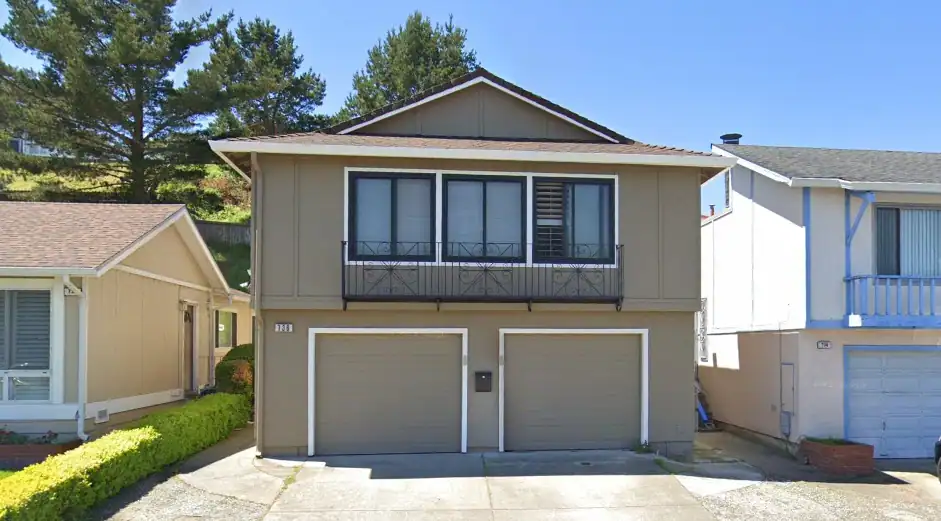
Recent Deal – Daly City Irrevocable Trust Loan
Daly City Irrevocable Trust Loan North Coast Financial provided a $815,000 irrevocable trust loan in Daly City, California (San Mateo County). A beneficiary buyout loan was needed in order to equalize the distribution of the trust's assets among three beneficiaries. One beneficiary wanted to keep the property while the other two wanted their inheritance in cash. North Coast Financial made a loan directly to the irrevocable trust [...]
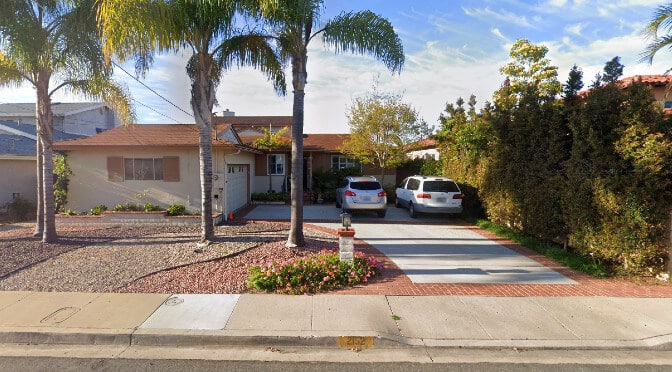
Recent Deal – San Diego Trust Loan
San Diego Trust Loan North Coast Financial financed a $515,000 trust loan in San Diego, California. One of the beneficiaries needed a sibling buyout loan in order to keep the property and pay out the other beneficiaries. The beneficiary needed a 3rd party irrevocable trust loan to apply for Prop 19 and help prevent a property tax reassessment. A single family residence owned by an irrevocable trust [...]
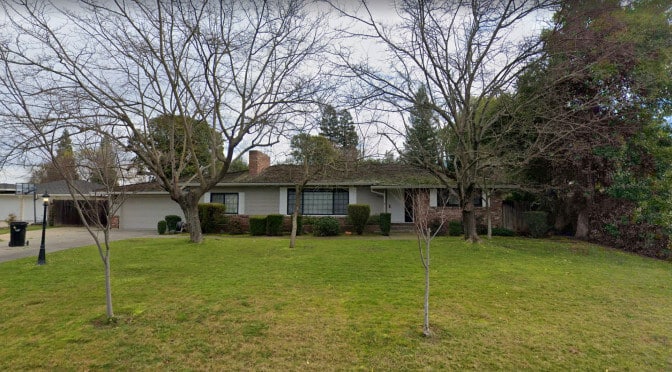
Recent Deal – Sacramento Trust Loan
Sacramento Trust Loan North Coast Financial provided financing for a $515,000 trust loan in Sacramento, California. An irrevocable trust loan was needed to allow one beneficiary to buyout the other beneficiary and maintain ownership of the property. A 3rd party loan was needed so that the beneficiary could apply for Prop 19 and prevent property taxes from increasing.The loan was secured by a single family residence owned [...]
Recent Deal – La Mesa Trust Loan
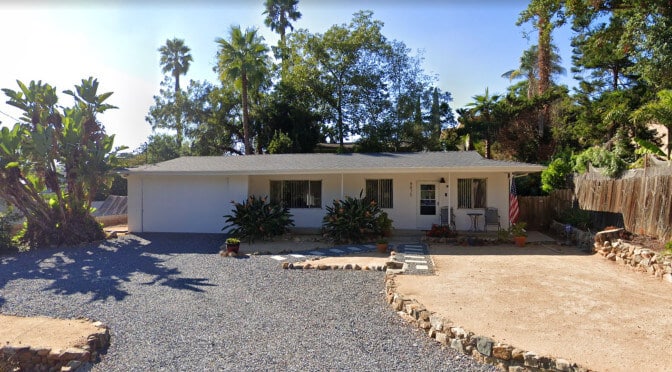
La Mesa Trust Loan North Coast Financial provided a $200,000 trust loan in La Mesa, California (San Diego). The irrevocable trust loan was secured against a single family residence. The successor trustee of the trust needed to refinance an existing loan on the property and pull cash out to make repairs and upgrades to the inherited home. The loan to value was approximately 36%. Recent Estate, [...]
Probate Loans & Estate Loans for Heirs & Beneficiaries
Probate Loans Against an Estate
The assets from an estate cannot be distributed to heirs until after the probate process is completed. Probate can last anywhere from 6 months to 3 years. During this lengthy process, heirs may find themselves in a situation in which they need probate funding. Probate loan solutions allow an heir or probate administrator to borrow against real estate within an estate until the probate can be settled. Borrowing against the real estate within an estate is often a lower-cost option than cash advance probate lenders who provide funds to heirs and then set a larger dollar amount that the lender collects upon close of the probate estate.
Estate Loans – Not Available from Conventional Lenders
Conventional lenders such as banks and credit unions are generally not able to provide estate loan solutions. A bank will not provide a loan to a individual who is not current on title of the property. These types of loans also require additional documentation and legal knowledge which most banks and credit unions do not possess. Conventional lenders cannot make a loan directly to an estate and then have another party immediately assume the loan.
Experienced estate and probate loan lenders such as North Coast Financial have the expertise and flexibility to the make the loan to the estate directly and then allow the heir to assume the loan and take title to the property.
Probate & Estate Loans for Attorneys & Fiduciaries
North Coast Financial works directly with attorneys and fiduciaries who need to borrow against real estate on behalf of a client’s estate or trust. We assist administrators, trustees, and executors in need of fast funding for short-term loans against an estate or trust. The borrowed funds can used to pay attorney fees, pay off other heirs and siblings, pay taxes, settle debts or handle any other obligations of the trust or estate. A probate attorney, administrator, executor, trustee or beneficiary is able to initiate the request to obtain the probate or estate loan.
How to Refinance an Inherited Property to Buy Out Heirs
When heirs inherit property a problem frequently arises when one heir wants to maintain ownership while other heirs wish to sell their interest in the inherited property for cash. The heir who wants to keep the property may not have enough cash to simply pay off the other heirs (siblings) so they must pursue an option for refinancing the inherited property. A home equity loan on inherited property from a hard money lender is often the fastest and easiest solution to raise cash in order to buy out siblings of their interest in an inherited home.
Refinancing inherited property typically cannot be done by a traditional lender such as a bank or credit union. The title to the inherited property is often in the name of the trust or estate. Because the title of the property is not in the borrower’s name, getting a mortgage on an inherited property from a bank will be extremely difficult or impossible. Banks generally aren’t interested in refinancing a property with multiple heirs.
The solution to this problem is working with a hard money lender who understands how to refinance an inherited property to buy out heirs. Prior to refinancing the inherited property, the heirs must agree on the value of the inherited property and determine the amount of cash each heir will receive for their buy out.
Experienced direct hard money lenders such as North Coast Financial have the ability to provide heirs with a home equity loan on inherited property (real estate). These loans have numerous different names such as probate loans, probate estate loans, probate real estate loans, estate loans, trust loans, estate inheritance loans, inheritance loans and inheritance property refinance loans. These loan types all provide the heirs with a cash out refinance on inherited property.
Hard money lenders are able to refinance inherited property as they can make the loan directly to the trust or estate and have the borrower (heir) assume the loan. The loan proceeds are distributed to the heirs receiving the buy out for selling their share of the inherited property.
When the refinance of the inherited property is complete, the borrower/owner will be able to transfer title of the property into their name and apply for a bank loan to obtain a lower interest rate and longer loan term.
READ MORE: How to Refinance an Inherited Property to Buy Out Heirs
Inherited House with No Mortgage vs Inherited Property with an Existing Mortgage
Inheriting a house with no mortgage is the ideal situation as it provides larger equity distributions for the heirs. In a situation where the heirs have inherited property with an existing mortgage, the existing mortgage will need to be paid off, unless the heirs only are only in need of a small 2nd loan behind the 1st. The amount of equity available to the heirs will be reduced by the current balance of the existing loan.
Probate Loan Interest Rates – Estate Loan Interest Rates & Fees
Estate and probate loan interest rates and fees will vary from lender to lender. The structure of the rates and fees may also be drastically different based on the type of lender. Hard money lenders are only able to provide loans against real estate within the estate. Common probate loan interest rates from hard money lenders can range from 9.95-11.95% interest with 1.5-2 points. While the interest rate may seem high compared to conventional real estate loans, these are short-term loans and many borrowers only make a few payments prior to refinancing. For heirs who are obtaining an estate loan in order to avoid a tax value reassessment, the total loan costs will be minuscule compared to the thousands of dollars the heir can save each year in the form of lower property taxes.
Other types of inheritance lenders are able to provide an inheritance advance to the beneficiary/heir in the form of a cash advance assignment. These lenders can provide an inheritance advance against any assets within an estate, not just real estate. In exchange, the heir must assign a portion of their anticipated inheritance to the inheritance lending company. This type of inheritance can be very expensive with fees in the range of 10-40% of the inheritance value.
Reverse Mortgage Refinancing for Heirs
North Coast Financial is also also to provide reverse mortgage refinancing to heirs who wish to maintain ownership of a inherited property that has an existing reverse mortgage. Conventional lenders will not refinance reverse mortgages for heirs but direct hard money lenders can provide this type of funding. A loan can be made to the estate which can then be assumed by the heirs. This allows for the heirs to maintain ownership of the property, have the title of the property transfer into the heir’s name and prevent a reassessment of the property value which can save thousands of dollars in property taxes each year (consult a tax professional or attorney).
Choosing a Reputable California Probate Loan Lender
Probate lending is a specialized niche, and not every lender that advertises it handles these loans the same way. Because a probate loan involves an estate, a court process, and often multiple heirs, choosing an experienced and transparent lender matters more than it would for an ordinary loan. A few key distinctions help separate a reputable probate lender from the rest.
Direct Probate Lender vs Broker
The first thing to determine is whether a company is a direct probate lender or a broker. A direct lender uses its own funds to make the loan, so it approves the loan and provides the money. A broker arranges the loan through an outside source, adding a layer to the transaction and, in some cases, an additional fee.
For probate loans, working with a direct lender often means faster answers and faster funding, because the party you are speaking with makes the decision and controls the money. This can be important when an estate has a deadline, such as preventing a foreclosure (especially a reverse mortgage), paying estate expenses, or funding a beneficiary buyout on a schedule set by the court or the other heirs. When evaluating a company, it is reasonable to ask directly whether it lends its own funds or brokers the loan elsewhere.
Questions to Ask a Probate Lending Company
A short list of specific questions quickly reveals how experienced and transparent a probate lender is. It is also worth asking about cost and timing in plain terms. Useful questions include:
- How many probate and estate loans have you funded, and do you lend throughout California?
- Do you lend directly to the estate?
- What loan-to-value will you lend against the estate’s real estate?
- What is the interest rate, how many points do you charge, and what third-party fees should I expect?
- How quickly can you fund, and how is the loan repaid when the estate closes?
A reputable probate lending company should be able to answer these clearly, explain how the loan works alongside the probate process, and provide specific figures rather than vague estimates. Evasive answers or pressure to commit without documentation are reasons to keep looking.
Contact North Coast Financial Today
North Coast Financial provides estate, trust and probate loan solutions in Southern California, Northern California and Central California. We specialize in the areas of Los Angeles, Orange County, San Diego, Riverside, San Bernardino, Ventura, San Francisco Bay Area, Sacramento and other counties throughout California.
Contact North Coast Financial now and have your probate, estate, trust loan or inheritance advance funded quickly.
Probate & Estate Loan Frequently Asked Questions
What estate, probate or trust loan financing options are available for beneficiaries?
For estates, probates or trusts that contain California real estate, beneficiaries may borrow up to 65-75% of the current value of the property. These short-term loans are generally available for terms of up to 1-3 years.
Can a beneficiary borrow from a trust?
A beneficiary may borrow from a trust if the trust agreement permits the trustee to loan money. The trustee must consider the beneficiary’s ability to repay the loan. If it appears that the beneficiary will not be able to repay the loan it may be seen as distribution.
Can I buy out my siblings in an inherited home?
Buying out siblings from an inherited home is the most common reason for obtaining an inheritance loan. The loan is made directly to the trust or estate and secured by the inherited home. The loan proceeds go directly to the bank account of the trust or estate and can then be distributed to the siblings. Once the siblings no longer have an interest in the inherited home, the title of the property can transfer from the name of the trust or estate into the name of the sibling who is keeping the property. Once title has transferred, the owner can then approach a bank for long-term financing in order to refinance the short-term inheritance loan.
Will an estate loan allow for an exclusion from reassessment with a Parent to Child transfer or Grandparent to Grandchild transfer?
This is a common reason beneficiaries choose to obtain an estate loan from a hard money lender. Preserving the existing property assessment value can potentially save the beneficiary thousands of dollars in property taxes each year going forward.
Title of the property can transfer from the estate to the beneficiary who intends to hold title and cash is distributed to the beneficiary(s) who wish to transfer their interest in the property to the other beneficiary(s). This process can allow for a proper transfer of title from Parent to Child (or Grandparent to Grandchild) which can exclude a reassessment. Prior to taking such action it is advised that the borrower consult with an attorney or CPA to verify that the Parent to Child property tax exclusion will apply to their specific circumstances.
More information on transfers between parent and child (Proposition 58) and grandparent and grandchild (Proposition 193)
Can a beneficiary still receive an estate loan if the property has a reverse mortgage?
North Coast Financial can help heirs refinance a reverse mortgage.
The reverse mortgage would have to be refinanced. If the property has enough equity, a larger loan amount beyond the current balance of the reverse mortgage can be considered in order to provide the beneficiary with cash out.
Who is permitted to borrow against real estate within an estate or trust?
Trustees and beneficiaries may be permitted to borrow against real estate in the trust or estate. The estate or trust must allow for borrowing against its assets. The trustee, successor trustee, estate administrator or executor must allow for the loan to take place.
All beneficiaries of the estate or trust must also provide their consent for the loan to be taken out.
What is necessary to qualify for a California estate or trust loan?
Besides having the legal authority and permission from other parties related to the estate/trust, the beneficiary must also qualify for the loan by filling out a standard loan application.
While the primary focus of the loan approval is on the value of real estate being used as collateral, the beneficiary must demonstrate that they have the financial ability to make the necessary monthly loan payments while the loan is outstanding.
The application requires information such as the beneficiary’s income and existing assets and debts. The beneficiary’s credit may be considered but likely will not prevent the loan from being approved, even if they currently have poor credit.
Will a bank or credit union provide a beneficiary with an estate, probate or trust loan with real estate as collateral?
Banks, credit unions and traditional mortgage companies are generally not able to provide estate, probate or trust loans as these types of loans are often considered too risky and do not fall within their strict guidelines. These types of traditional lenders are typically not able to provide a loan to an individual when the title to the property is not in their name.
Private money lenders with experience funding these specialized types of loans are able to make the loan directly to the trust or estate and then have the beneficiary assume and personally guarantee the loan.
Are beneficiaries with bad credit scores able to qualify for estate, probate, or trust loans?
Beneficiaries with poor credit, bad credit or other financial issues can still receive an estate or trust loan from a hard money lender. Hard money lenders are primarily concerned with the value of the real estate.
How long does it take to receive funds when receiving an estate, probate or trust loan?
It generally takes 1-2 weeks for the loan to be funded and the beneficiary to receive their funds. This is assuming there are no major title issues with the property and all disclosures and documents are signed and returned by the beneficiary in a timely manner. In certain situations the closing could take longer due to federal regulations and potential issues with the borrower’s title to the property.
North Coast Financial Probate & Estate Loans Program
| Loan Application Approval Timeline | Same day approval available |
| Time to Fund Loan | As few as 3-5 days if needed |
| Property Types | Single family, multi-family, commercial, industrial |
| Loan Amounts | $30,000 – $3 Million+ |
| Loan Terms | Up to 36 months |
| Lien Position | 1sts & 2nds |
| Loan to Value (LTV) | 1sts – Up to 75% of current value 2nds – Up to 65% CLTV |
| Fees | No appraisal fees (in most situations) and no hidden junk fees |
| Interest Rates and Points | Please contact us for information on current rates and points |
Probate & Trust Loans Resource Guide