

3 Main Hard Money Loan Requirements
How to Qualify for a Hard Money Loan
Borrowers who have never used private money are often surprised by how short the list of requirements is. Hard money loans for real estate rely on asset-based lending, so hard money lenders start with the collateral and the equity in it, not with tax returns. The larger that stake, the safer the loan and the faster the decision. New to hard money? Start with our beginner’s guide to hard money loans.
Three requirements decide almost every loan request: enough equity, the ability to make the monthly payments while the loan is outstanding, and a realistic plan to pay it off. North Coast Financial has funded more than $1 billion in private money loans since 1981 for real estate investors and homeowners on those three tests, and this page walks through each one.
Key takeaways
- Equity matters most. Most loans are capped at 65% to 70% of the property’s value, occasionally up to 75%.
- Reserves carry the loan. The lender needs to see cash for the monthly payment, taxes and insurance, or a holdback that covers them.
- Every loan needs an exit. A sale or a refinance, usually within 12 to 24 months.
- Credit and speed. There is no fixed minimum credit score, and investment property loans can close in about a week once the paperwork is in.
1. Equity and Loan-to-Value (LTV)
Loan-to-value, or LTV, is the loan amount divided by the value of the collateral. It is the first number hard money lenders calculate, and it is where most loan requests are decided.
North Coast Financial lends up to 65% to 70% LTV on most California real estate, and in some cases up to 75%. On a purchase, the gap between the price and the loan is the down payment. On a refinance or a bridge loan, it is the equity already in the home or building.
| Property value | Loan at 65% LTV | Loan at 70% LTV |
|---|---|---|
| $600,000 | $390,000 | $420,000 |
| $1,000,000 | $650,000 | $700,000 |
| $1,500,000 | $975,000 | $1,050,000 |
A request at a lower LTV is more likely to be funded, and often at a better rate, than one at the ceiling. Investors who own more than one property can sometimes pledge two to bring the combined LTV down. That is called cross-collateralization.
The value comes from recent comparable sales and a look at the property. North Coast Financial does not order an appraisal, so there is no appraisal fee. On a fix and flip, the after-repair value (ARV) matters to the exit plan, so expect questions about the budget and the resale comps.
2. Cash Reserves and Financial Strength
The second requirement is the ability to carry the loan: cash reserves for the monthly payment plus holding costs such as property taxes, insurance and HOA dues.
How much is enough depends on the loan. The hard money loan calculator gives the monthly payment for a given loan amount and rate, and reserves are measured against that figure. The more reserves an applicant can show, the stronger the file.
An applicant with little cash on hand still has options. In some cases hard money lenders can increase the loan amount and hold back the extra funds to cover payments, taxes and insurance while the loan is outstanding. The deal still closes, and the payments are covered.
3. Exit Strategy and Real Estate Experience
Private money is short-term financing, usually 12 to 24 months and sometimes 36, so hard money lenders need to know how the loan will be repaid. The usual exits are a sale of the property, a refinance into a conventional mortgage once the borrower qualifies, or the finish of a project such as a fix and flip.
Experience helps. Real estate investors with a record of completed projects have an easier time than someone financing a first flip. For a newer investor, the lender will want the details of the plan: the budget, the timeline, and the numbers behind the resale or refinance value. Those numbers have to be reasonable. The five most common exits are covered in 5 hard money loan exit strategies.
Credit Score Requirements
Hard money loans are far more flexible on credit than traditional mortgages, because the property secures the loan. There is no fixed minimum credit score. Past foreclosures, bankruptcies, short sales and loan modifications do not by themselves rule out a loan when the equity is there.
Credit matters in one place: the exit. If the plan is a refinance into a bank mortgage, the borrower will eventually need to qualify with that bank, so expect a question about how that will happen.
How These Requirements Compare to a Traditional Mortgage
| Hard money loan | Traditional mortgage | |
|---|---|---|
| Main underwriting factor | Property value and LTV | Credit score and debt-to-income |
| Income documentation | Brief personal financial statement | Two years of tax returns, pay stubs, bank statements |
| Credit score | No fixed minimum | Typically 620 and up, higher for the best rates |
| Property condition | Repair and rehab projects are fine | Generally must be move-in ready |
| Borrower | Individuals, LLCs, corporations, trusts, estates | Mostly individuals |
| Time to close | 5 to 7 days on investment property | 30 to 45 days |
| Rates | Higher, typically from 9.95% on a first | Lower |
The tradeoff is simple: a hard money loan costs more in rate and points than bank mortgages. What it buys is fast, certain funding on deals and situations a bank will not touch, with no junk fees. Current pricing is on the hard money loan interest rates page.
Approval Process and Timeline
Documents Needed
A business purpose loan needs a short application (a brief personal financial statement), the purchase contract if the property is being bought, and access to the property for a valuation. Consumer purpose and owner occupied loans require additional disclosures under federal regulations, which is why they take longer to fund. The full list is on documents needed for a hard money loan.
Property Types
Requirements vary with the property. Single family homes, condos and 2 to 4 unit residential properties qualify for the highest LTV. Commercial, mixed-use and special-purpose properties are considered case by case, usually at a lower maximum LTV. All loans are on California real estate.
Related: What types of properties do hard money lenders lend on?
From Application to Funding
Once the three requirements check out, North Coast Financial gives a verbal approval, usually within a day or two. The borrower then completes the hard money loan application, a short personal financial statement covering income, assets and liabilities plus the details of the requested loan.
Related: How to get a hard money loan in 6 simple steps
A buyer who has not found a property yet can still apply and receive a pre-approval letter (sometimes called a proof of funds letter) for a specific purchase price. Once a property is chosen, North Coast Financial issues a letter naming the address, which goes in with the offer. Sellers and listing agents take an offer like that seriously because it removes most of the financing risk.
Hard Money Loan Requirements FAQ
What credit score do you need for a hard money loan?
There is no fixed minimum credit score. Because the property secures the loan, applicants with lower scores, past foreclosures or bankruptcies can usually still qualify when the property has enough value behind the loan.
What is the maximum LTV for a hard money loan?
North Coast Financial lends up to 65% to 70% of the property’s value on most California real estate, and up to 75% in some cases. On a purchase the rest is the down payment; on a refinance it is the borrower’s own stake in the property.
How fast can a hard money loan be approved?
Verbal approval usually comes within a day or two of applying. Investment property loans can fund in 5 to 7 days once the documents and valuation are complete. Owner occupied loans take longer because of the required consumer disclosures.
Do hard money lenders verify income?
The loan file includes a brief personal financial statement, and the lender needs to see that the monthly payments and holding costs can be covered. The review is far shorter than a bank mortgage underwrite, and there is no two-year tax return requirement.
Questions about a specific property? Call Don or Jeff Hensel at (760) 722-2991 or contact North Coast Financial for a free consultation. Asset-based direct lender. No junk fees.
Recent Hard Money Loans Funded by North Coast Financial
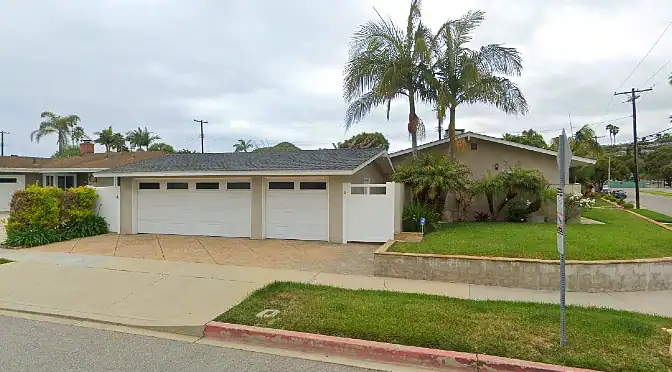

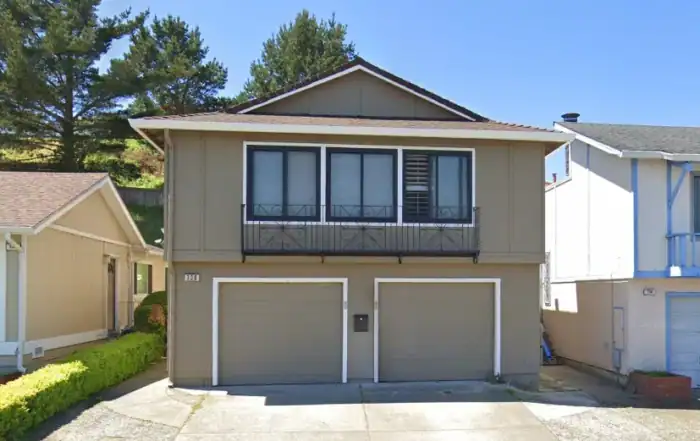
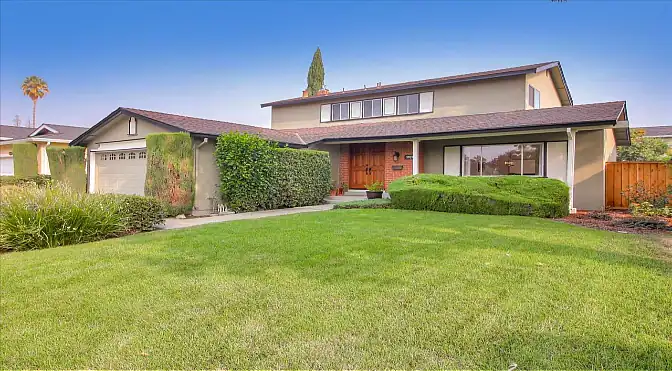
California Hard Money Loan Request
We will contact you to review the loan scenario and provide a quote.