

Hard Money Loan Glossary – Hard Money Lending Terms
A complete reference guide to hard money lending terms for real estate investors, borrowers, and professionals. Whether you are exploring your first fix-and-flip or managing a portfolio of investment properties, understanding this vocabulary will help you move faster, negotiate smarter, and avoid costly surprises.
A
Abstract of Title
A condensed history of a property’s ownership, including all transfers, liens, encumbrances, and legal actions. Before funding a hard money loan, lenders review the abstract of title to confirm the borrower holds clear ownership and that no undisclosed claims exist against the property.
Acceleration Clause
A provision in a loan agreement that gives the lender the right to demand full repayment of the outstanding balance immediately if the borrower violates specific terms, such as missing payments or transferring the property without permission. Hard money loans almost universally include acceleration clauses.
Acquisition Cost
The total amount paid to purchase a property, including the purchase price, closing costs, transfer taxes, and any other fees incurred at the time of purchase. Lenders factor acquisition cost into their loan sizing calculations to assess the borrower’s equity position from day one.
After Repair Value (ARV)
The estimated market value of a property after all planned renovations and improvements are complete. ARV is arguably the most important number in hard money lending for fix-and-flip transactions. Lenders use ARV to determine how much they are willing to lend, and investors use it to project potential profit. A professional appraisal, comparable sales analysis, or broker price opinion is typically used to establish ARV.
Amortization
The process of gradually paying down a loan balance through scheduled principal and interest payments over time. Most hard money loans are not fully amortizing — meaning the monthly payments cover interest only, with the remaining principal balance due as a lump sum at maturity. Some hard money loans do include partial amortization.
Amortization Schedule
A table showing each payment over the life of a loan, broken down into principal and interest components, along with the remaining balance after each payment. Even for interest-only hard money loans, a lender may provide an amortization schedule to illustrate how a full payoff would look if the loan were converted.
Annual Percentage Rate (APR)
The true annual cost of a loan expressed as a percentage, factoring in both the interest rate and all associated fees such as origination points and closing costs. Because hard money loans carry substantial upfront fees, the APR is often significantly higher than the stated interest rate alone. APR is a useful comparison tool when evaluating lenders.
Appraisal
A formal, documented opinion of a property’s market value performed by a licensed or certified appraiser. Hard money lenders typically require an appraisal to confirm that the collateral supports the requested loan amount. For fix-and-flip loans, lenders often require an “as-is” appraisal as well as an “as-repaired” appraisal estimating value after renovation.
As-Is Value
The current market value of a property in its existing condition, without accounting for any planned improvements. Hard money lenders use the as-is value to assess risk and determine how much equity the borrower has at the time of funding.
Asset-Based Lending
A lending approach where the loan is secured primarily by the value of collateral — in most cases, real property — rather than the borrower’s income, credit score, or financial history. Hard money lending is a form of asset-based lending, which is why borrowers with challenged credit can often still qualify.
Assignment of Rents
A loan provision that gives the lender the right to collect rental income from the property in the event the borrower defaults. Common in hard money loans on income-producing properties.
Assumable Loan
A loan that can be transferred to a new buyer who takes over the existing terms when the property is sold. Hard money loans are rarely assumable and typically contain due-on-sale clauses that prevent this.
Assessed Value
The value assigned to a property by a local tax assessor for the purpose of calculating property taxes. Assessed value often differs from market value or appraised value and is generally not used by hard money lenders to size loans, though it can serve as a rough reference point.
B
Balloon Payment
The large lump-sum payment due at the end of a hard money loan term to pay off the remaining principal balance. Because hard money loans are usually interest-only or minimally amortizing, the balloon payment is typically close to the original loan amount. Borrowers must plan their exit strategy around this payment.
Blanket Loan
A single loan that covers multiple properties simultaneously, using all of them as collateral. Real estate investors who own several properties sometimes use blanket hard money loans to consolidate financing or access equity across their portfolio.
Bridge Loan
A short-term loan designed to “bridge” a financing gap between an immediate need and a longer-term solution. For example, an investor might use a bridge loan to purchase a property quickly before securing permanent financing. Hard money loans and bridge loans are often used interchangeably, though bridge loans can come from conventional lenders as well.
Broker Price Opinion (BPO)
An estimate of a property’s market value prepared by a licensed real estate agent or broker, rather than a certified appraiser. BPOs are faster and less expensive than full appraisals and are sometimes accepted by hard money lenders — particularly for smaller loan amounts or when a quick turnaround is needed.
Borrower
The individual or entity receiving the loan and taking on the obligation to repay it according to the loan agreement. In hard money lending, borrowers are typically real estate investors, developers, or property owners who need fast access to capital.
Business Purpose Loan
A loan made for a business or investment purpose rather than for personal, family, or household use. Hard money loans are almost always business purpose loans because they fund investment properties. This distinction matters legally: business purpose loans are generally exempt from many consumer protection regulations, including those under the Truth in Lending Act.
Buydown
A financing arrangement where the borrower (or sometimes the seller) pays additional upfront funds — called discount points — to reduce the interest rate on the loan. In hard money lending, buydowns are less common than in conventional lending, but some lenders offer the option. Each point paid typically reduces the rate by 0.125% to 0.25%.
C
Cap Rate (Capitalization Rate)
A metric used to evaluate the income potential of an investment property, calculated by dividing the net operating income by the property’s current value. Hard money lenders on rental properties often look at cap rate to assess whether the property generates sufficient income to support the loan.
Cash-Out Refinance
A refinance transaction where the borrower takes out a new loan that is larger than the existing mortgage, receiving the difference in cash. Investors sometimes use hard money cash-out refinances to access equity for additional acquisitions or renovations.
Chain of Title
The chronological history of a property’s ownership, showing every transfer from the original owner to the present day. A clear chain of title is required before a hard money lender will fund a loan. Any gaps or irregularities must be resolved through title insurance or legal action.
Clear Title
Title to a property that is free from liens, claims, or other encumbrances that could challenge the owner’s right to sell or transfer it. Hard money lenders require clear title as a condition of funding.
Closing
The final step in a real estate transaction where all documents are signed, funds are disbursed, and ownership is transferred. Hard money loans are known for their ability to close quickly — sometimes in as few as 5 to 10 business days — which is one of their primary advantages over conventional financing.
Closing Costs
Fees and expenses paid at closing in addition to the loan amount. For hard money loans, closing costs typically include origination points, title insurance, escrow fees, recording fees, appraisal fees, and attorney fees. Borrowers should budget for closing costs ranging from 2% to 5% of the loan amount.
Collateral
The asset pledged to secure a loan. In hard money lending, collateral is almost always real property. If the borrower defaults, the lender has the right to seize the collateral through foreclosure to recover the outstanding balance.
Commercial Hard Money Loan
A hard money loan secured by commercial real estate, such as office buildings, retail centers, warehouses, mixed-use properties, or multifamily properties with five or more units. Commercial hard money loans typically require more documentation than residential hard money loans due to the complexity of the underlying assets.
Commitment Letter
A formal written document from a lender confirming their intent to provide a loan under specific terms and conditions. A commitment letter precedes the final loan closing and gives the borrower and seller confidence that financing is in place.
Comparable Sales (Comps)
Recently sold properties that are similar in size, condition, location, and features to the subject property. Appraisers and lenders use comps to establish market value and ARV. Strong comps support higher loan amounts; weak or scarce comps may cause lenders to be conservative.
Capital Stack
The layered structure of all financing sources used to fund a real estate deal, ranked by repayment priority and risk. From the bottom up, the capital stack typically includes senior debt (first mortgage), mezzanine debt or preferred equity, and common equity. Senior debt is paid first and carries the least risk; common equity is paid last and carries the most risk but offers the highest potential return. Hard money loans sit at the senior debt level of the capital stack.
Construction Loan
A short-term loan used to finance the cost of building a new structure or completing a major renovation. Many hard money lenders offer construction loans that fund in phases tied to construction milestones. The loan converts to a permanent mortgage or is paid off once construction is complete.
Contingency Reserve
A percentage of a renovation budget set aside to cover unexpected costs or cost overruns during a project. Experienced investors typically budget a 10% to 20% contingency, and some hard money lenders require it as part of their underwriting.
Conventional Loan
A mortgage that meets the guidelines set by government-sponsored enterprises like Fannie Mae or Freddie Mac. Conventional loans have stricter qualification requirements and slower approval timelines than hard money loans but carry lower interest rates. Many hard money borrowers plan to refinance into a conventional loan as their exit strategy.
Cross-Collateralization
A lending arrangement where a single loan is secured by multiple properties. If one property underperforms or the borrower defaults, the lender can pursue any of the pledged properties. Cross-collateralization is common with blanket loans.
Cross-Default
A provision stating that a default on one loan triggers a default on other loans held with the same lender. Borrowers with multiple loans from the same hard money lender should be aware of cross-default language in their agreements.
Credit Score
A numerical representation of a borrower’s creditworthiness based on their borrowing and repayment history. While credit scores play a central role in conventional lending, hard money lenders place far less emphasis on them. Most hard money lenders are more concerned with recent major derogatory events — such as foreclosures, bankruptcies, or active judgments — than with the score itself.
D
Debt Service
The total amount of principal and interest payments due on a loan over a given period, typically calculated monthly or annually. On interest-only hard money loans, the monthly debt service equals the accrued interest alone, with the principal due at maturity.
Debt Service Coverage Ratio (DSCR)
A measure of a property’s ability to generate enough income to cover its debt obligations. DSCR is calculated by dividing the property’s net operating income by its total annual debt service. A DSCR above 1.0 means the property earns more than enough to cover the loan payments; below 1.0 means it does not. Most lenders consider a DSCR of 1.20 or higher healthy. Hard money lenders on rental or commercial properties may use DSCR as one factor in their underwriting.
Deed
A legal document that transfers ownership of real property from one party to another. The deed is recorded in the county recorder’s office to establish the public record of ownership.
Deed in Lieu of Foreclosure
An agreement where a borrower voluntarily transfers property ownership to the lender to avoid the formal foreclosure process. This option can save both parties time and legal costs but still results in the borrower losing the property.
Deed of Trust
A legal instrument used in many states instead of a mortgage. In a deed of trust arrangement, the borrower transfers the property title to a neutral third-party trustee as security for the loan. If the borrower defaults, the trustee can sell the property on behalf of the lender through a non-judicial foreclosure process, which is typically faster than a judicial foreclosure.
Default
A borrower’s failure to fulfill the terms of a loan agreement. The most common form of default is missing a payment, but default can also be triggered by other violations, such as failing to maintain insurance, allowing liens to be placed on the property, or transferring ownership without lender approval. In hard money lending, a loan is typically considered in default when a payment is 30 or more days past due.
Default Interest Rate
A higher interest rate that automatically takes effect when a borrower defaults on a loan. Hard money loan agreements typically include a default rate that can be significantly higher than the original note rate, adding to the urgency of resolving a default quickly.
Deferred Interest
Interest that is added to the outstanding loan balance rather than paid in the current period. Some hard money loans allow for deferred interest during construction or rehabilitation phases, though this increases the total amount owed.
Depreciation
A reduction in the value of a property over time due to age, wear, or economic factors. For real estate investors, depreciation is also an important tax deduction. Hard money lenders account for depreciation risk when evaluating long-term holds.
Draw
A disbursement of funds from a construction or renovation loan. Rather than releasing the entire loan amount upfront, hard money lenders typically release funds in draws tied to completed milestones, verified by inspections. This structure protects the lender and ensures funds are used as intended.
Draw Schedule
A predetermined plan outlining when and how much money will be released during a construction or renovation project. The draw schedule is agreed upon before the loan closes and is based on the project budget and construction timeline. Borrowers submit draw requests as work is completed, and an inspector or lender representative verifies progress before funds are released.
Due Diligence
The process of thoroughly investigating a property, borrower, and transaction before committing to a loan or purchase. For hard money lenders, due diligence includes reviewing the appraisal, title report, borrower financials, renovation budget, and exit strategy. For borrowers, due diligence involves inspecting the property and verifying all costs and assumptions.
Discount Points
Upfront fees paid to the lender at closing in exchange for a reduced interest rate. Each discount point equals 1% of the loan amount. Discount points are less commonly offered on hard money loans than on conventional mortgages, but some lenders do provide rate reduction options in exchange for higher upfront fees.
Distressed Property
A property in poor condition, under threat of foreclosure, or being sold under financial hardship. Distressed properties are a primary target for fix-and-flip investors and hard money borrowers because they can often be purchased below market value, creating profit potential after renovation.
Draw Inspection
A site visit by an independent inspector or lender representative to verify that renovation work has been completed before a draw is released. The inspector confirms that completed work matches the draw request in both scope and quality. This step protects the lender from fraud and ensures the project is progressing as planned.
Due-on-Sale Clause
A loan provision requiring the borrower to pay off the loan in full if the property is sold or transferred. Almost all hard money loans include a due-on-sale clause, which means investors cannot simply pass the loan to a new buyer.
E
Earnest Money
A deposit made by a buyer to demonstrate serious intent to purchase a property. Earnest money is typically held in escrow and applied toward the purchase price at closing. Hard money lenders confirm earnest money is in place as part of their loan review.
Encumbrance
Any claim, lien, or restriction on a property that affects its ownership or transferability. Common encumbrances include mortgages, tax liens, mechanic’s liens, and easements. Hard money lenders require that all encumbrances be identified and addressed before funding.
Equity
The difference between a property’s market value and the outstanding loan balance. Equity represents the owner’s stake in the property. Hard money lenders focus heavily on equity because it serves as the cushion protecting their investment in the event of default.
Equity Kicker
An arrangement where a lender receives a share of the property’s profits or equity in addition to standard interest payments. Some hard money lenders offer lower interest rates in exchange for an equity kicker, particularly on larger or riskier deals.
Escrow
A neutral third-party arrangement where funds, documents, or assets are held until specific conditions are met. At closing, an escrow agent manages the exchange of money and documents between the buyer, seller, and lender. Escrow accounts are also used to hold funds for property taxes and insurance.
Escrow Holdback
Funds set aside at closing and held by the lender or escrow agent until certain conditions are met. Common in renovation loans, where a portion of the loan is held back and released as work is completed and verified.
Exit Strategy
The borrower’s plan for repaying the hard money loan at or before maturity. A well-defined exit strategy is one of the most important factors hard money lenders evaluate. Common exit strategies include selling the property after renovation (fix-and-flip), refinancing into a conventional or portfolio loan, or paying off the loan with other funds. Lenders want confidence that the borrower has a realistic path to full repayment.
Extension
An agreement between the borrower and lender to extend the loan term beyond the original maturity date. Hard money lenders may grant extensions for an additional fee, but they are not guaranteed. Borrowers should negotiate extension options before closing if there is any chance the project will take longer than expected.
Extension Fee
A fee charged by the lender in exchange for extending the loan maturity date. Extension fees are commonly expressed as additional points — for example, one point per month of extension — and are paid either upfront or at the time of the new maturity date. Borrowers who anticipate project delays should negotiate extension terms and fees before closing.
F
First Lien
The primary mortgage or deed of trust on a property that has priority over all other claims in the event of foreclosure. Hard money lenders almost always require a first lien position to minimize their risk.
First Position
See First Lien. Hard money lenders who hold the first position on a property are paid before any junior lienholders in a foreclosure sale.
Fix-and-Flip
An investment strategy where a buyer purchases a distressed or undervalued property, renovates it, and sells it for a profit. Fix-and-flip transactions are among the most common use cases for hard money loans because of the speed, flexibility, and renovation financing they provide.
Fix-and-Hold
An investment strategy where a buyer purchases and renovates a property but retains it as a long-term rental rather than selling. Investors using this strategy often start with a hard money loan and refinance into a long-term rental loan after renovation is complete.
Foreclosure
The legal process by which a lender takes ownership of a property after the borrower fails to repay the loan as agreed. Foreclosure timelines and procedures vary significantly by state. In states that allow non-judicial foreclosure, the process can be completed in as little as 30 to 90 days, making hard money loans particularly enforceable in those markets.
Forbearance
A temporary agreement between a borrower and lender to pause or reduce loan payments during a period of financial hardship. Forbearance is less common in hard money lending than in conventional lending, given the short-term nature of hard money loans.
Funding
The actual disbursement of loan proceeds to the borrower at closing. Hard money lenders are known for fast funding timelines, sometimes providing proceeds within days of application approval.
G
Guarantor
A person or entity that agrees to repay a loan if the primary borrower defaults. Hard money lenders often require a personal guarantee from the principals of an LLC or corporate borrower, making them personally liable for repayment even if the entity defaults.
Gap Funding
Secondary financing used to cover the difference between a hard money loan and the total cost of a deal. For example, if a hard money lender will only fund 70% of the purchase price, a gap funder might cover an additional 15% to 20%, with the borrower bringing the remaining 10% to 15%. Gap funding typically carries higher interest rates than the primary loan.
Grace Period
The number of days after a payment due date during which the borrower can make the payment without incurring a late fee. Hard money loan agreements typically specify a grace period of 5 to 10 days. After the grace period expires, a late fee is assessed.
Ground-Up Construction Loan
A loan used to finance the construction of a new building from scratch on vacant or cleared land. Ground-up construction is considered higher risk than renovation lending, so hard money lenders offering this product typically apply more conservative LTV limits and more rigorous draw inspection requirements.
H
Hard Money Loan
A short-term, asset-based loan secured by real property. Hard money loans are typically provided by private lenders or investment groups rather than banks or credit unions. They are characterized by higher interest rates, shorter terms, faster approval timelines, and a primary focus on the value of the collateral rather than the creditworthiness of the borrower. Investors use hard money loans to fund acquisitions, renovations, and construction projects when speed or qualification flexibility is essential.
Hard Money Lender
A private individual, company, or fund that provides hard money loans. Unlike traditional banks, hard money lenders have their own underwriting guidelines and can move quickly on deals. Borrowers should evaluate lenders based on their track record, fee structure, loan terms, and willingness to fund in specific markets and property types.
Holding Costs
The ongoing expenses incurred while owning a property, including property taxes, insurance, utilities, HOA fees, and loan interest. Holding costs eat into profit margins on fix-and-flip projects, which is why most investors want to complete renovations and close sales as quickly as possible.
Hard Costs
Direct construction and labor expenses required to complete a renovation, such as materials, subcontractors, and equipment. Hard costs are distinguished from soft costs, which cover expenses like permits, architectural plans, and inspections. Most renovation budgets and draw schedules are broken down into hard and soft cost categories.
Holdback
The portion of a renovation or construction loan that the lender retains at closing and releases in stages as work progresses. Rather than handing over the full loan amount upfront, the lender holds back the renovation funds and disburses them through draws as milestones are completed and verified by inspection. Holdbacks protect the lender by ensuring funds are tied to actual work and reduce the risk of incomplete projects.
I
Impound Account
See Escrow Account. An account held by the lender where portions of the monthly payment are deposited to cover property taxes and insurance when they come due.
In-House Underwriting
A process where the lender evaluates and approves loans using its own team rather than outsourcing to a third party. Many hard money lenders use in-house underwriting as a competitive advantage, allowing them to make faster decisions and communicate directly with borrowers.
Inspector
A licensed professional hired to evaluate a property’s condition or construction progress. Hard money lenders typically require an independent inspection before releasing renovation draw funds to confirm that completed work meets scope and quality standards.
Interest Rate
The percentage charged on the outstanding loan balance, expressed as an annual rate. Hard money loan interest rates are substantially higher than conventional mortgage rates, typically ranging from 9% to 15% or more depending on the lender, property, market, and borrower experience. The higher rate reflects the greater risk the lender takes on by funding quickly with minimal borrower qualification requirements.
Interest Reserve
A portion of the loan set aside at closing to cover monthly interest payments during the loan term. Interest reserves are common in construction and renovation loans where the property is not yet generating income. The lender draws from the reserve each month to make the interest payment on the borrower’s behalf until the reserve is depleted or the project is complete.
Interest-Only Loan
A loan structure where the monthly payment covers only the accrued interest, with no reduction in the principal balance. The full principal is due at maturity as a balloon payment. Most hard money loans are structured as interest-only to keep monthly carrying costs low during a renovation or development period.
Investment Property
Real estate purchased with the intent to generate income, profit from appreciation, or both, rather than as a primary residence. Hard money loans are almost exclusively made on investment properties. Common investment property types include single-family rentals, multifamily buildings, fix-and-flip projects, commercial buildings, and vacant land.
J
Joint Venture (JV)
A business arrangement where two or more parties combine resources and expertise to execute a real estate project. In the context of hard money lending, joint ventures are common when one party brings the capital and another brings the deal-finding and project management skills. Hard money lenders sometimes structure deals as joint ventures when they want equity participation in addition to interest income.
Joint Venture Agreement
A written contract between two or more parties that outlines the terms of their partnership on a real estate project, including contributions, responsibilities, profit splits, and decision-making authority. When a hard money lender participates as a joint venture partner, the joint venture agreement governs the relationship beyond the standard loan documents.
Junior Lien
A mortgage or other claim on a property that ranks below the first mortgage in priority. In a foreclosure, junior lienholders are paid only after the first lienholder is made whole. Because of this subordinate position, junior liens carry more risk and typically come with higher interest rates.
L
Late Fee
A charge applied to a loan payment that is received after the grace period expires. Hard money loan agreements specify the grace period (often 5 to 10 days) and the late fee amount, which may be a flat dollar amount or a percentage of the overdue payment.
Lender
The party providing the loan funds. In hard money lending, this is typically a private individual, a lending company, or a fund that deploys investor capital through loans secured by real estate.
Lien
A legal claim against a property as security for a debt. Mortgages, deeds of trust, mechanic’s liens, tax liens, and judgment liens are all examples of liens. A property cannot be sold with clean title until all liens are satisfied or released.
Lien Position
The order of priority in which lienholders are paid in the event of a foreclosure sale. First position lienholders are paid first; second position lienholders are paid from whatever remains. Hard money lenders almost always require first lien position.
Loan Agreement
The binding contract between the borrower and lender outlining all the terms of the loan, including the loan amount, interest rate, term, payment schedule, default provisions, and any special conditions. Borrowers should review this document carefully with an attorney before signing.
Loan Origination
The process of applying for, underwriting, and funding a new loan. Origination includes gathering borrower and property information, ordering an appraisal, reviewing title, and preparing loan documents for closing.
Loan Term
The length of time the borrower has to repay the loan. Hard money loans are typically short-term, ranging from 6 months to 3 years, with 12 months being a common default term for fix-and-flip projects.
Loan-to-ARV Ratio
The ratio of the loan amount to the property’s after repair value, expressed as a percentage. For example, a $300,000 loan on a property with an ARV of $500,000 represents a 60% loan-to-ARV ratio. Most hard money lenders cap this ratio at 65% to 75%.
Loan-to-Cost (LTC)
The ratio of the loan amount to the total cost of a project, including acquisition, renovation, and carrying costs. LTC is commonly used in construction and fix-and-flip lending to measure the proportion of the deal being financed by the lender.
Loan Modification
A change to the original terms of a loan agreement, such as adjusting the interest rate, extending the repayment term, or restructuring the payment schedule. Loan modifications are less common in hard money lending than in conventional lending but may be offered when a borrower is experiencing temporary difficulty and the lender believes full repayment remains achievable.
Loan-to-Value (LTV)
The ratio of the loan amount to the appraised value of the property, expressed as a percentage. A lower LTV means more equity in the deal and less risk for the lender. Hard money lenders typically lend at LTVs between 60% and 75% of the as-is value, though some will go higher based on ARV or borrower track record.
M
Market Value
The price a property would reasonably sell for in an open market under normal conditions, between a willing buyer and a willing seller. Hard money lenders use market value as a primary measure of collateral worth.
Maturity Date
The date on which the loan comes due and the borrower is obligated to repay the full outstanding balance. Hard money borrowers must have their exit strategy executed by the maturity date or risk default.
Mechanic’s Lien
A legal claim filed against a property by a contractor, subcontractor, or supplier who provided labor or materials but was not paid. Mechanic’s liens can cloud title and prevent a property from being sold or refinanced until they are resolved. Hard money lenders conducting draw inspections and requiring lien waivers help protect against this risk.
Mezzanine Financing
A hybrid form of financing that sits between senior debt and equity in the capital stack. Mezzanine financing is typically used on larger deals and carries higher interest rates than first mortgage debt. In real estate, mezzanine lenders may hold a pledge of ownership interest rather than a direct lien on the property.
Mortgage
A legal instrument used in some states (as opposed to a deed of trust) to pledge real property as collateral for a loan. The mortgage creates a lien on the property that the lender can enforce through a judicial foreclosure process if the borrower defaults.
Mortgage Broker
A licensed professional who connects borrowers with lenders in exchange for a fee. Some hard money loans are originated through mortgage brokers who have relationships with multiple private lenders. Borrowers should clarify whether they are working directly with a lender or through a broker, as brokers add fees to the transaction.
Multifamily Property
A residential building with more than one unit, such as a duplex, triplex, fourplex, or apartment complex. Properties with two to four units are typically treated as residential for lending purposes; five or more units are considered commercial. Hard money lenders fund multifamily acquisitions and renovations across both categories.
N
Net Operating Income (NOI)
The income generated by a property after subtracting operating expenses but before debt service. NOI is a key metric for evaluating income-producing properties. Hard money lenders on rental or commercial properties often review NOI to confirm the property’s ability to support debt payments.
Non-Judicial Foreclosure
A foreclosure process that does not require a court proceeding. Allowed in states where deeds of trust are used rather than mortgages. Non-judicial foreclosure is faster and less expensive than judicial foreclosure, which is one reason hard money lenders prefer operating in non-judicial states.
Non-Recourse Loan
A loan where the lender’s only remedy in the event of default is to take the collateral property. The lender cannot pursue the borrower’s personal assets beyond the collateral. Non-recourse hard money loans are available but less common than recourse loans, and they typically come with more conservative LTV limits.
Note
Short for promissory note. The legal document in which the borrower promises to repay the loan according to the specified terms. The note is the borrower’s IOU to the lender.
Note Buyer
An investor who purchases existing loans — promissory notes — from the original lender, often at a discount. Some hard money lenders sell their loan portfolios to note buyers as a way to free up capital for new loans. When a note is sold, the borrower continues making payments but to the new note holder.
Note Rate
The interest rate stated on the promissory note. The note rate is the base rate used to calculate monthly interest payments, separate from points, fees, or other costs.
O
Off-Market Property
A property that is being sold privately without being listed on the Multiple Listing Service (MLS) or other public marketplaces. Off-market deals can offer investors the ability to negotiate directly with sellers and potentially purchase at below-market prices. Hard money lenders’ speed and flexibility make them well-suited for off-market acquisitions where a fast close is often required.
Origination Fee
A fee charged by the lender for processing and funding the loan. In hard money lending, origination fees are expressed as points, where one point equals 1% of the loan amount. Origination fees typically range from 1 to 4 points on hard money loans and are paid at closing. They are distinct from interest and represent the lender’s upfront profit for making the loan.
P
Personal Guarantee
A commitment by an individual — often a business owner or principal — to be personally responsible for repaying a loan if the borrowing entity defaults. Personal guarantees are standard in hard money lending when the borrower is an LLC or corporation.
Pre-Approval Letter
A letter issued by a hard money lender confirming that a borrower has been pre-approved for a loan up to a specific amount. Pre-approval letters help investors move quickly when submitting offers, demonstrating to sellers that financing is in place. Some hard money lenders issue pre-approvals within 24 to 48 hours of receiving a basic application.
Preferred Return
A predetermined minimum return that investors in a real estate deal receive before profits are distributed to the general partner or sponsor. In the context of hard money lending and real estate partnerships, a preferred return is commonly set at 6% to 10% annually. It is not guaranteed — it simply means other investors receive their share first before the sponsor participates in upside profits.
Proof of Funds (POF)
Documentation confirming that a borrower has sufficient liquid assets to complete a transaction. In a cash purchase, proof of funds is a bank statement or similar document. In a hard money transaction, a lender may issue a proof of funds letter on the borrower’s behalf, confirming their financing is in place. Proof of funds letters help investors compete more effectively, particularly in multiple-offer situations.
Points
A common way to express origination and discount fees on a loan. One point equals 1% of the loan amount. Hard money lenders typically charge 1 to 4 points at origination, which are paid upfront at closing.
Portfolio Lender
A lender that holds loans on its own balance sheet rather than selling them to the secondary market. Hard money lenders are almost always portfolio lenders, which allows them greater flexibility in setting their own underwriting standards.
Prepayment Penalty
A fee charged when a borrower pays off a loan before the maturity date. Prepayment penalties are common in hard money loans and compensate the lender for lost interest income on the remaining term. The fee is typically calculated as a percentage of the outstanding balance or as a specific number of months of interest. Borrowers planning a quick turnaround should review prepayment penalty terms carefully.
Principal
The original amount borrowed, excluding interest and fees. The principal is the base amount on which interest is calculated, and it must be repaid in full at or before the loan’s maturity date.
Private Lender
An individual or company that lends their own or investor capital directly to borrowers, outside of traditional banking institutions. Hard money lenders are typically private money lenders. Working with a private lender offers more flexibility and speed than working with a bank.
Private Money
Capital provided by private individuals or investment groups rather than institutional lenders. Private money is a broader category that includes hard money loans, though some private money loans are structured with more flexible terms than traditional hard money.
Promissory Note
See Note. A written legal promise by the borrower to repay a specified amount under specified terms.
Pro Forma
A financial projection showing the expected income, expenses, and returns from a real estate investment. Hard money lenders on income-producing properties often review a pro forma to evaluate the feasibility of the borrower’s plan.
Property Management
The professional administration of rental properties, including tenant placement, rent collection, maintenance, and financial reporting. For hard money loans on rental properties, the lender may want to confirm that experienced property management is in place.
Purchase Money Loan
A loan used to finance the acquisition of a property. Hard money purchase money loans fund quickly and are ideal for investors competing for distressed or off-market properties where sellers want a fast close.
R
Real Estate Owned (REO)
Property that has been foreclosed on and is now owned by the lender. REO properties are often sold at a discount and are popular targets for hard money borrowers doing fix-and-flip projects.
Recapitalization
The process of restructuring a property’s financing, often by replacing short-term debt with long-term debt or by bringing in new equity partners. Investors frequently use hard money loans as the initial financing vehicle, then recapitalize by refinancing into a DSCR loan, conventional mortgage, or other long-term product once the property is stabilized.
Rental Property Loan
A loan used to finance the purchase or refinance of a property held as a long-term rental. While hard money loans are most commonly associated with short-term fix-and-flip projects, some hard money lenders also provide rental property loans, particularly for investors who need quick approval or have properties that do not qualify for conventional financing.
Recourse Loan
A loan where the lender can pursue the borrower’s personal assets beyond the collateral in the event of default. Most hard money loans are recourse loans, meaning the borrower remains personally liable for any deficiency remaining after the collateral is sold.
Refinance
Replacing an existing loan with a new one, typically to secure a lower interest rate, longer term, or cash out. Refinancing into a conventional or portfolio loan is one of the most common exit strategies for hard money borrowers.
Rehab Loan
A loan that finances both the purchase and renovation of a property. Hard money rehab loans are the backbone of the fix-and-flip industry and are structured to release renovation funds in draws as work is completed.
Rehab Budget
A detailed estimate of the cost to renovate a property, broken down by scope of work. Hard money lenders review the rehab budget before closing to confirm that the loan amount is sufficient, the project is feasible, and the ARV supports the investment.
Repayment Term
The period during which the borrower is required to repay the loan. In hard money lending, repayment terms are short — usually between 6 months and 3 years.
REIT (Real Estate Investment Trust)
A company that owns or finances income-producing real estate. Some REITs operate as hard money lenders by deploying capital into short-term real estate loans.
S
Scope of Work (SOW)
A written description of all planned renovation work, including materials, finishes, and specifications. The scope of work is reviewed by the lender before closing and drives the draw schedule throughout the project. An accurate and detailed SOW helps prevent budget overruns and draw disputes.
Second Lien
A mortgage or deed of trust that is subordinate to the first lien on a property. Second lien hard money loans involve greater risk in exchange for higher interest rates. Many hard money lenders will not fund in second position, but some specialize in gap funding or mezzanine structures.
Seasoning
The length of time a borrower has owned a property or held a loan. Some lenders require a property to be “seasoned” for a certain period — often 3 to 12 months — before they will refinance it. Seasoning requirements are more common with conventional lenders than with hard money lenders, which is one reason investors often use hard money to acquire and stabilize a property before refinancing into a longer-term product.
Short Sale
A real estate transaction where the property is sold for less than the outstanding mortgage balance, with the lender’s approval. Short sales occur when a homeowner faces financial hardship and cannot pay off the full loan. Investors often target short sales as a source of below-market acquisitions, and hard money loans are well-suited to fund them quickly.
Sponsor
The individual or entity responsible for identifying, acquiring, and managing a real estate project. In a partnership or syndication structure, the sponsor handles day-to-day operations and decision-making, while other investors contribute capital. Hard money lenders often evaluate the sponsor’s track record and experience as part of their loan underwriting.
Stabilized Property
A property that is fully renovated, leased up, and generating consistent income at market rents. Once a property is stabilized, investors often refinance out of their hard money loan into a lower-cost, long-term rental loan or conventional mortgage.
Subordinate Financing
Any loan that is in a junior lien position behind a first mortgage. Subordinate financing carries more risk for the lender because it is paid after the first lien in the event of a foreclosure. Many hard money lenders prohibit subordinate financing without their prior written approval.
Security Instrument
The legal document, either a mortgage or deed of trust, that pledges the property as collateral and creates the lender’s lien. The security instrument is recorded in the county records to give public notice of the lender’s interest.
Servicer
A company that manages loan administration on behalf of the lender, including collecting payments, managing escrow accounts, and handling delinquencies. Some larger hard money lenders use third-party servicers; smaller operations often handle servicing in-house.
Soft Costs
Indirect expenses associated with a construction or renovation project, such as permits, engineering reports, architectural plans, inspections, and legal fees. Soft costs are distinguished from hard costs, which cover direct construction and labor expenses.
Subordination
An agreement where a lienholder accepts a lower lien priority position relative to another lender. Subordination agreements are sometimes required when a borrower refinances and needs the existing second lienholder to remain in a subordinate position.
T
Term Sheet
A non-binding document outlining the proposed terms of a hard money loan, issued by the lender before final underwriting. The term sheet includes the loan amount, interest rate, points, term, LTV, and key conditions. Borrowers should review term sheets carefully and understand that final loan terms may vary slightly after full underwriting.
Title
Legal ownership of a property. Clear title means no undisclosed liens, claims, or competing ownership interests exist. Hard money lenders require clear title as a condition of funding.
Title Company
A company that handles the closing of real estate transactions, including examining the title, issuing title insurance, managing escrow, and disbursing funds. Title companies serve as a neutral third party in the transaction.
Title Insurance
Insurance that protects the lender (and optionally the borrower) against losses arising from title defects, unpaid liens, or ownership disputes that were not discovered during the title search. Lender’s title insurance is almost always required by hard money lenders. Owner’s title insurance is optional but recommended.
Title Search
A review of public records to trace the history of ownership and identify any liens, encumbrances, or title defects on a property. Title searches are conducted before closing to ensure the lender’s lien will have priority and the borrower can convey clear title.
Track Record
A borrower’s documented history of completing real estate investment projects successfully. Hard money lenders place significant weight on track record because experienced investors present lower execution risk. Borrowers with a strong track record of completed flips or renovations often qualify for better rates, higher LTVs, and faster approvals.
Transfer Tax
A tax levied by state or local governments on the transfer of real property. Transfer taxes are paid at closing and are considered part of the acquisition cost for a property.
Trust Deed
See Deed of Trust. A legal instrument used in many states to secure a loan with real property as collateral.
U
Underwriting
The process of evaluating a loan application to determine whether to approve or deny the request and under what terms. Hard money underwriting focuses primarily on the value and condition of the collateral, the borrower’s exit strategy, and equity in the deal. Credit and income verification play a secondary role compared to conventional lending, making hard money underwriting faster and more flexible.
Underwriting Fee
A fee charged by the lender for the cost of evaluating and approving the loan. Some hard money lenders include underwriting costs in their origination points; others charge a separate flat underwriting fee.
V
Valuation
The process of estimating the market value of a property. Hard money lenders rely on appraisals, BPOs, and comparable sales analysis for property valuation. Accurate valuation is critical because the entire hard money lending model depends on the collateral being worth enough to cover the loan balance in the event of default.
Vacancy Rate
The percentage of units in a rental property or market area that are unoccupied at a given time. Hard money lenders evaluating income-producing properties consider vacancy rates to stress-test projected rental income and confirm that NOI projections are realistic.
W
Waiver of Deficiency
An agreement by a lender not to pursue the borrower for any remaining loan balance after a foreclosure sale. Deficiency waivers offer borrowers protection in the event the foreclosure sale does not generate enough to fully repay the loan. Whether a deficiency judgment is available varies by state law and loan type.
Waterfall
A structure that determines the order and method in which profits and returns from a real estate deal are distributed to partners and investors. In a typical waterfall, invested capital is returned first, then investors receive a preferred return, and remaining profits are split between the sponsor and investors according to a predetermined formula. Understanding the waterfall structure is important for any investor participating in a joint venture or real estate partnership funded by hard money.
Warehouse Line
A revolving credit facility used by mortgage lenders to fund loans before selling them to investors. Some larger hard money lenders use warehouse lines to increase their lending capacity.
Wholesale Deal
A transaction where an investor contracts to purchase a property and then assigns the contract to another buyer for a fee, without actually taking ownership. Wholesale deals are sometimes funded with short-term hard money loans, though some lenders decline to finance them due to the additional complexity.
Z
Zoning
Government regulations that dictate how land and buildings in specific areas can be used. Before funding a hard money loan, lenders confirm that the planned use of the property is permitted under applicable zoning laws. Zoning issues — such as a property zoned for commercial use that a borrower plans to use as a residence — can make a loan unfundable.
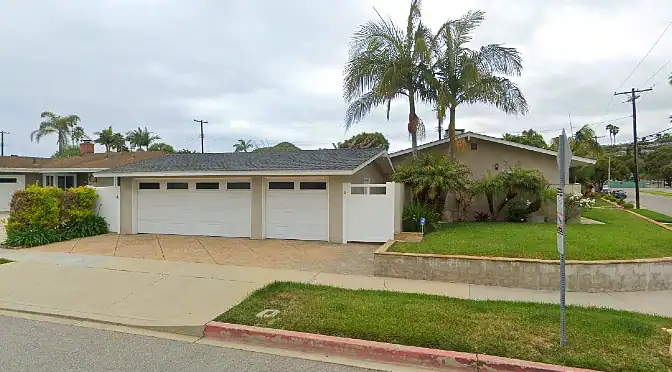
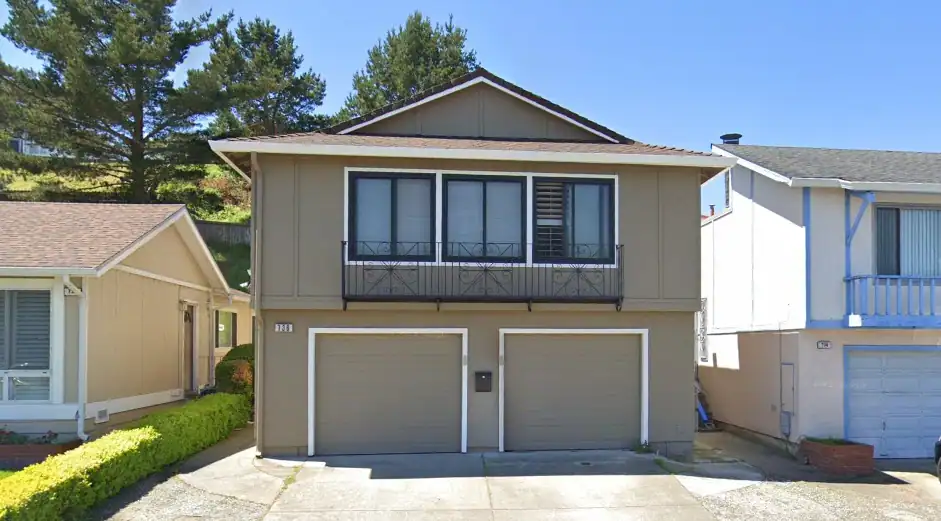
This glossary is provided for educational purposes. North Coast Financial and its affiliates has been helping California real estate investors secure hard money financing since 1981. Contact us to discuss your next project.
Recent Hard Money Loans Funded by North Coast Financial



Jeff can be reached at 760-722-2991 or jeff@northcoastfinancialinc.com
California Hard Money Loan Request
We will contact you to review the loan scenario and provide a quote.