
Cross-Collateralization Hard Money Loans in California
Unlock More Capital From Your Portfolio with Cross-collateralization
California real estate investors with multiple properties often have more untapped borrowing power than they realize. Cross-collateralization is a financing strategy that allows a single hard money loan to be secured by more than one property. Combining the equity of multiple assets to unlock a larger loan amount can help achieve a lower combined loan-to-value ratio or in some cases access up to 100% of the funds needed to fund a new acquisition. At North Coast Financial, we are able to structure cross-collateralized hard money loans throughout California and have over 45 years of hard money lending experience. Our broker-owner Don Hensel has funded more than $1 billion in hard money loans and understands exactly how to structure these deals to work for sophisticated investors.
Related: Hard Money Loans California from North Coast Financial, a direct lender since 1981.
What Is Cross-Collateralization?
This approach is particularly useful in California, where property values are high after real estate values have continued to increase. Experienced investors often hold portfolios of multiple assets, some free and clear and others with existing mortgages and available equity. By pooling the equity across their portfolio, borrowers can often qualify for larger loan amounts than any single property would support alone.
Cross-collateralization is sometimes confused with blanket loans. Both involve multiple properties securing but they are slightly different in practice. A cross-collateralized loan typically involves two or three properties securing a single loan. When four or more properties are used to secure one loan, the arrangement is more commonly called a blanket loan or blanket mortgage. North Coast Financial can structures both types of deals depending on the borrower’s situation.
How Cross-Collateralized Hard Money Loans Work
The mechanics of a cross-collateralized hard money loan are straightforward. Here is an example to illustrate:
An investor needs $500,000 in cash for a business opportunity. They own two investment properties, each worth $400,000, with no mortgages on either. A single property at 65% LTV would only support a loan of approximately $260,000. By crossing both properties as collateral, the combined 65% LTV supports a loan of up to $520,00 giving the investor the amount needed. The lender places a first lien on both properties to secure the single $500,000 loan.
Benefits of Cross-Collateralized Hard Money Loans
- Access larger loan amounts: When one property’s equity falls short, combining it with another property’s equity can bridge the gap. Investors may pursue cross-collateralization in order to access capital that no single asset can provide alone.
- Achieve lower combined LTV: Adding a low-LTV or free-and-clear property to a loan structure can reduce the blended loan-to-value ratio, which often results in better pricing, more favorable terms and easier approval on complex deals.
- Potential for 100% acquisition financing: In some cross-collateralized structures, an investor can acquire a new property with zero cash down out of pocket by pledging equity from an existing property. The lender places liens on both the new acquisition and the existing property, and the combined equity supports the full purchase price within the lender’s LTV guidelines. This is a powerful strategy for investors who want to grow their portfolios without liquidating other assets.
- Preserve liquidity: Rather than draining cash reserves for a down payment, cross-collateralization allows investors to use paper equity in their existing portfolio to fund new acquisitions — keeping cash available for renovations, carry costs, or the next opportunity.
- Speed: Hard money lenders offering cross-collateralized loans can typically close in seven to ten days. This speed can be decisive in competitive California markets where sellers often choose the fastest, most certain buyer.
Risks and Considerations
Cross-collateralization is a powerful tool but it comes with important considerations that every borrower should understand before proceeding:
- Multiple properties at risk: When two or more properties secure one loan, a default on that loan exposes all of the pledged properties to foreclosure. This is the primary risk of cross-collateralization and should be considered carefully.
- Exit strategy planning: Releasing a single property from a cross-collateralized loan typically requires paying down the loan to a level where the remaining properties provide sufficient collateral, or refinancing to separate the properties into individual loans. Planning your exit strategy before entering into a cross-collateralized loan is essential.
- Complexity: Cross-collateralized loans involve more documentation, more title work, and more legal complexity than single-property loans. Working with an experienced direct lender like North Coast Financial, one that has structured these deals for decades, reduces the burden of the complexity significantly.
- Existing lien positions: If either property already has a mortgage, the cross-collateralized hard money loan may need to be structured as a second lien on that property, which affects the LTV calculation and lender approval.
A hard money second mortgage behind an existing first is its own structure with its own combined loan to value limit, and the same limits apply when one leg of a cross-collateralized loan sits in second position. Clear title or first-lien positions on both properties simplify the structure.
Who Is Cross-Collateralization Right For?
Cross-collateralized hard money loans are best suited for experienced California real estate investors who:
- Own multiple California properties with meaningful equity
- Need to access more capital than a single property can support
- Want to acquire new investment properties without liquidating existing assets or depleting cash
- Have a clear, realistic exit strategy for repaying the loan
- Understand the implications of pledging multiple assets as security
- Are comfortable with asset-based private lending and short-term loan structures
This strategy is not typically appropriate for first-time borrowers or those without a solid understanding of their portfolio’s value and equity position. North Coast Financial will always discuss the structure, risks, and exit strategy with borrowers before proceeding on a cross-collateralized loan.
Why Choose North Coast Financial for Cross-Collateralized Loans?
North Coast Financial is a direct California hard money lender with over 45 years of experience and more than $1 billion funded. We are not a broker — we make our own lending decisions, use our own capital, and are not dependent on secondary market approval. This direct approach is essential for cross-collateralized loans, which require flexible, deal-specific underwriting that committee-driven lenders struggle to accommodate.
Our principal Don Hensel has personally structured cross-collateralized deals across Southern and Northern California in every property type — single-family residential, multi-family, commercial, and mixed-use. We understand California’s high-value real estate market, the equity dynamics of a mature investor portfolio, and how to structure a cross-collateralized loan that works for both the borrower and the deal.
We lend throughout California — Los Angeles, San Diego, Orange County, the Bay Area, Sacramento, Riverside, Ventura, and beyond. If you hold real estate across multiple California markets, we can often structure a single cross-collateralized loan using properties in different counties.
Frequently Asked Questions About Cross-Collateralization
How many properties can be used in a cross-collateralized hard money loan?
Typically two to three properties are used in a cross-collateralized loan structure. When four or more properties are involved, the arrangement is commonly referred to as a blanket loan. North Coast Financial structures both. More properties add complexity, but also more equity — contact us to discuss your specific portfolio situation.
Can I get 100% financing using cross-collateralization?
In some structures, yes. If you have an existing property with sufficient free-and-clear equity, we may be able to structure a cross-collateralized loan that covers the full purchase price of a new acquisition — with a lien on both the new property and your existing property — as long as the combined loan-to-value stays within our guidelines. Contact us to run the numbers on your specific scenario.
Do properties in different California counties work?
Generally yes, provided both properties are in California and meet our lending criteria individually. We are licensed to lend statewide and regularly structure loans secured by properties in different California counties.
How does releasing one property from a cross-collateralized loan work?
A release typically requires paying down the loan to a level where the remaining collateral provides sufficient security, or refinancing the structure into separate individual loans. The specific release terms should be discussed and documented before closing. We work with borrowers to structure these terms clearly upfront.
What is the difference between cross-collateralization and a blanket loan?
Both involve multiple properties securing financing. Cross-collateralization typically refers to two or three properties being pledged to secure one loan. A blanket loan or blanket mortgage generally involves four or more properties under a single loan. The mechanics are similar — the primary difference is scale and the complexity of the structure.
Get a Cross-Collateralized Hard Money Loan Quote
If you own multiple California properties and need to unlock more capital than a single-property loan can provide, North Coast Financial can help you structure a cross-collateralized hard money loan that fits your portfolio and your goals.
Call (760) 722-2991 or submit your loan scenario online. We will review your properties, your equity position, and your goals and give you a direct answer on what we can structure — usually the same day.
Recent Hard Money Loans Funded by North Coast Financial
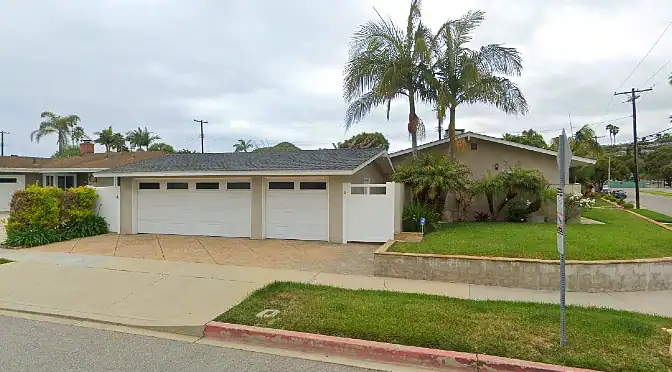

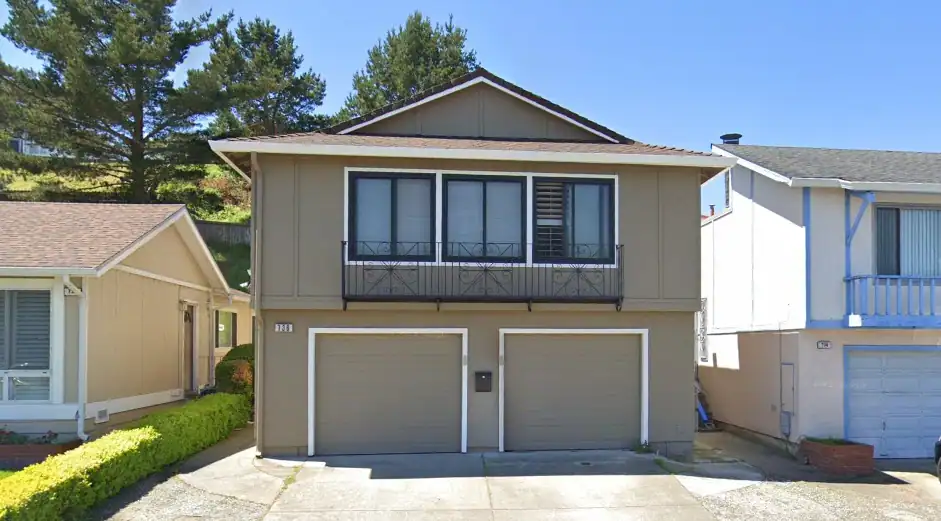
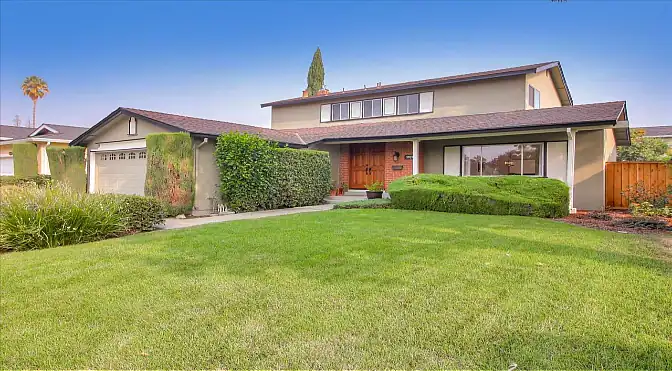

California Cross-Collateralization Loan Request
We will contact you to review the loan scenario and provide a quote.